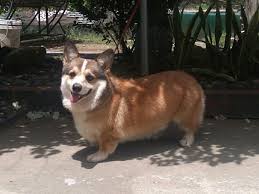
Overview of the Pembroke Welsh Corgi
The Pembroke Welsh Corgi is one of the most beloved small dog breeds in the world, famous for its intelligence, loyalty, and adorable short legs. Originally bred for herding cattle, sheep, and horses, this energetic breed is full of personality and charm. Known for their affectionate nature and eagerness to please, Pembrokes make excellent family pets and loyal companions for first-time dog owners.
Thank you for reading this post, don't forget to subscribe!


Quick Breed Facts
- Origin: Pembrokeshire, Wales
- Weight: 11–14 kg
- Height: 25–30 cm
- Life Expectancy: 12–15 years
- Litter Size: Around 6 puppies
- Coat Colors: Red, sable, fawn, black & tan with white markings
Appearance and Characteristics
The Pembroke Welsh Corgi is a small-to-medium herding dog known for its sturdy build, pointed ears, and short tail. They have a fox-like face with expressive eyes and a double coat that protects them in various climates. Unlike their close relatives, the Cardigan Welsh Corgis, Pembrokes are smaller, have sharper ears, and feature a naturally short or docked tail.
Their low-set body and strong legs make them surprisingly fast and agile despite their size. These dwarf-like proportions are part of their unique appeal.
History and Origin
The Pembroke Welsh Corgi’s history is filled with both folklore and fact. According to Welsh legends, corgis were once the “enchanted dogs of fairies and elves,” used to pull fairy carriages and herd magical cattle.
Historically, the breed likely descended from Vallhunds, Swedish cattle dogs brought to Wales by Vikings in the 9th–10th centuries, or from Flemish weavers’ dogs in the 12th century. The UK Kennel Club first recognized Welsh Corgis as a breed in 1920, later separating Pembrokes and Cardigans into distinct breeds in 1934. That same year, the American Kennel Club (AKC) also recognized them.
The breed gained worldwide fame thanks to Queen Elizabeth II, who received her first Pembroke, Rozavel Golden Eagle, in 1933. Since then, the royal family’s affection for corgis has made them one of the UK’s most iconic breeds.
💕 Temperament and Personality
Pembroke Welsh Corgis are known for being friendly, intelligent, and alert. They are naturally affectionate and get along well with children and other pets, making them ideal family dogs. Although small, they have a big-dog attitude and love to stay busy. Pembrokes enjoy human company and thrive when they’re included in family activities.
Training and Socialization
Pembrokes are highly trainable due to their intelligence and eagerness to learn. Early socialization and positive reinforcement training help shape a confident and obedient adult dog. Consistency, patience, and rewards work best with this sensitive breed.
Start training from puppyhood with exposure to different people, sounds, and environments between 7 weeks and 4 months. They can be a bit independent but are quick learners when properly motivated.
🩺 Health and Care
The Pembroke Welsh Corgi is generally a healthy breed, but they are prone to some inherited health conditions. Responsible breeding and regular veterinary checkups are crucial for maintaining your dog’s health.
Common Health Issues:
- Hip Dysplasia
- Cataracts
- Epilepsy
- Degenerative Myelopathy
- Cutaneous Asthenia (skin fragility)
Choose a reputable breeder who provides OFA (Orthopedic Foundation for Animals) certifications for hips, elbows, and eyes, as well as clearances for von Willebrand’s disease and hypothyroidism.
Because of their long backs and short legs, corgis should not be allowed to jump off high furniture, as this can lead to spinal injuries.
Living Conditions and Environment
Pembroke’s adapt well to both apartments and large homes, as long as they receive enough daily exercise. They are social dogs who love to be part of family life and shouldn’t be left alone outdoors for long periods.
Their coats are weather-resistant, so they can handle various climates. However, keeping them indoors with the family ensures their emotional well-being.
They also have a playful sense of humor and can often be found perched on sofas or other high spots—despite their short stature! A firm but kind approach in training helps curb excessive barking and stubbornness.
Exercise Requirements
Although small, the Pembroke Welsh Corgi is an active breed that needs regular physical and mental exercise. Daily walks, playtime, and interactive toys will keep them healthy and happy.
Corgis excel at dog sports such as:
- Agility
- Obedience trials
- Herding events
- Tracking exercises
Avoid overexertion, especially in hot weather, and always provide fresh water after exercise.
✂️ Grooming and Maintenance
The Pembroke Welsh Corgi has a double coat — a soft undercoat covered by a coarse outer coat. They shed moderately year-round and heavily during seasonal changes. To manage shedding:
- Brush daily during heavy shedding periods
- Bathe occasionally to remove loose fur
- Use a slicker brush and undercoat rake for deep grooming
Regularly trim their nails, check their ears for cleanliness, and maintain good dental hygiene. Weekly grooming sessions keep their coat shiny and their skin healthy.
Why Choose a Pembroke Welsh Corgi?
If you’re looking for a loyal, affectionate, and intelligent dog, the Pembroke Welsh Corgi is a perfect match. They fit well into most lifestyles — from city apartments to country homes — and bring joy, laughter, and companionship to every household.
Their adaptability, charm, and royal history make them one of the most popular small dog breeds in the world. With proper care, training, and love, your Pembroke Welsh Corgi will be a lifelong, happy companion.
Everything You Need to Know About the Pembroke Welsh Corgi
The Pembroke Welsh Corgi is a breed that effortlessly combines intelligence, charm, and a fun-loving spirit. Recognized for their fox-like faces, short legs, and happy personalities, these dogs are far more than their cute appearance—they are loyal, hardworking, and deeply affectionate companions.
Personality and Behavior
The Pembroke Welsh Corgi’s personality is what makes this breed stand out. They are alert, playful, and devoted to their families. Despite their small size, Corgis are confident and courageous dogs. They tend to be naturally protective, making them excellent watchdogs.
These dogs form strong emotional bonds with their owners and often follow them from room to room. Because of their herding instincts, Corgis may occasionally nip at heels—especially during play—but early training can quickly correct this behavior.
Pembrokes are social and enjoy being around people, children, and even other pets. However, they do best when they receive enough attention and mental stimulation. A bored Corgi can become mischievous or stubborn, so keeping them engaged with toys and activities is key.
Intelligence and Trainability
The Pembroke Welsh Corgi is among the most intelligent dog breeds in the world. Ranked in the top 10 for obedience and working intelligence, Corgis love learning new tricks and tasks.
Their intelligence means they pick up commands quickly, but they also like to test boundaries. Positive reinforcement methods—using praise, treats, and consistency—work best for this sensitive and clever breed.
They respond particularly well to structured routines, agility training, and puzzle games that challenge their minds. Training sessions should be short, fun, and consistent to prevent boredom.
Socialization and Interaction
Early socialization helps Pembroke Welsh Corgis grow into well-rounded adults. Introduce your Corgi puppy to a variety of sounds, sights, and experiences—such as car rides, different people, and other animals—between 7 weeks and 4 months of age.
Corgis are naturally social but can sometimes be wary of strangers. Proper early exposure helps prevent shyness or excessive barking later in life. Regular playdates with other dogs can also improve their social skills and reduce any herding-driven bossiness.
🍖 Diet and Nutrition
A balanced diet is essential for maintaining a healthy Pembroke Welsh Corgi. Because of their short stature and long backs, excess weight can easily strain their spine and joints.
Feed your Corgi high-quality dog food—preferably one formulated for small to medium active breeds. A diet rich in protein, healthy fats, and fiber supports their energetic lifestyle.
Feeding Tips:
- Measure meals to prevent overeating.
- Avoid feeding table scraps or high-calorie treats.
- Ensure access to fresh water at all times.
- Divide daily food portions into two smaller meals.
For puppies, opt for nutrient-rich puppy formulas that support healthy bone and muscle development.
Adaptability and Lifestyle
The Pembroke Welsh Corgi adapts to nearly any living situation. Whether you live in a city apartment or a rural home, your Corgi will thrive as long as they receive enough physical and mental exercise.
They’re equally happy herding on a farm or lounging in a living room. However, they don’t enjoy being left alone for long periods—they crave human companionship and thrive when included in family life.
Thanks to their double coat, Corgis tolerate cold weather better than many small breeds, but they should not be kept outside full-time. In warmer climates, ensure they have plenty of shade and water during hot days.
Exercise and Playtime
Corgis were bred to work, and that herding instinct means they’re happiest when they have a job or purpose. Daily exercise keeps them fit and mentally balanced.
Recommended Activities:
- Two 30-minute walks per day
- Fetch or tug-of-war games
- Agility training or obstacle courses
- Canine sports like herding trials or obedience competitions
Avoid letting your Corgi jump from high furniture or stairs, as it can injure their spine. Controlled, low-impact exercise is ideal.
Grooming and Coat Care
The Pembroke Welsh Corgi coat is both beautiful and practical—it’s weather-resistant and self-cleaning to an extent. However, it requires regular maintenance.
Grooming Routine:
- Brush 2–3 times a week, daily during shedding seasons.
- Bathe once a month or as needed.
- Check ears for dirt or wax buildup.
- Trim nails regularly to prevent discomfort.
- Brush teeth several times a week for oral health.
Shedding peaks in spring and fall, so be prepared with a good vacuum and a deshedding brush. With proper grooming, your Corgi’s coat will stay shiny, healthy, and odor-free.
Health and Longevity
The average lifespan of a Pembroke Welsh Corgi ranges from 12 to 15 years, and with proper care, many live even longer. To keep your dog in optimal health, schedule regular veterinary visits and watch for early signs of genetic disorders.
Common Health Concerns:
- Hip and Elbow Dysplasia – Affects joint movement.
- Degenerative Myelopathy – A spinal condition common in older Corgis.
- Progressive Retinal Atrophy (PRA) – Can lead to vision loss.
- Obesity – Leads to joint pain and back issues.
- Epilepsy – Seizure disorder requiring management.
Reputable breeders perform health testing on parent dogs to reduce the risk of these conditions. A healthy lifestyle, balanced diet, and regular checkups can greatly extend your Corgi’s lifespan.
The Royal Connection
No article on the Pembroke Welsh Corgi is complete without mentioning its royal heritage. Queen Elizabeth II’s lifelong love for Corgis began when she was a child, and over her reign, she owned more than 30 Pembroke Welsh Corgis.
Their royal association has made the breed an international symbol of loyalty and charm. Even today, Corgis remain one of the most photographed and adored dog breeds in the world—thanks in part to their royal connection and undeniable cuteness.
Fun Facts About Pembroke Welsh Corgis
- The word “Corgi” comes from the Welsh words cor (dwarf) and gi (dog), meaning “dwarf dog.”
- Corgis were believed to be fairy steeds, carrying elves into battle in Welsh folklore.
- They can run up to 25 miles per hour despite their short legs!
- Pembrokes often have a “Corgi smile”, a naturally happy expression that melts hearts.
- Their fluffy bottoms are so iconic that they have inspired countless internet memes and corgi-themed merchandise.
🏆 Is the Pembroke Welsh Corgi Right for You?
If you want a small, intelligent, and affectionate dog that fits into almost any home, the Pembroke Welsh Corgi is a fantastic choice. They are loyal to their families, great with kids, and full of energy and love.
Corgis need regular exercise, social interaction, and mental challenges. In return, they’ll reward you with laughter, loyalty, and an unbreakable bond. With their royal charm and herding heritage, it’s easy to see why the Pembroke Welsh Corgi continues to capture hearts around the world.
