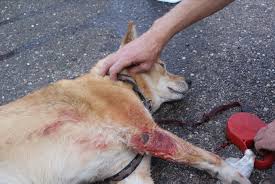
“Why dogs die”
Thank you for reading this post, don't forget to subscribe!Supporting keywords:
- Causes of dog death
- Common dog diseases
- Preventing dog death
- Signs a dog is dying
- How to keep your dog healthy
- Dog lifespan tips
- Dog health problems
🧩 Article Outline (with SEO headers and tags)
Title:
👉 Why Dogs Die: Common Causes, Warning Signs, and How to Keep Your Dog Healthy for Years
Meta description (160 characters):
Discover the main reasons why dogs die, early warning signs, and expert tips to keep your beloved pet healthy and extend their lifespan.


H1: Why Dogs Die — Understanding the Causes and How to Prevent Them
H2: The Emotional Truth About Losing a Dog
- Why every dog owner should understand mortality
- How knowledge helps prevent early death
H2: Common Causes of Dog Death (and How to Prevent Them)
Tags: #doghealth #petcare #veterinary
H3: 1. Old Age and Natural Causes
- Typical lifespan of dogs by breed
- Signs of aging and how to support a senior dog
H3: 2. Cancer in Dogs
- Most common types (lymphoma, bone cancer, skin tumors)
- Early detection signs and veterinary treatment options
H3: 3. Heart Disease and Organ Failure
- Heart failure symptoms in dogs
- Managing diet and exercise for heart health
H3: 4. Infections and Viruses
- Parvovirus, distemper, and leptospirosis explained
- How vaccines and hygiene prevent deadly infections
H3: 5. Accidents and Trauma
- Preventing car accidents, falls, and injuries
- Why microchipping and supervision matter
H3: 6. Poisoning and Toxic Foods
- Dangerous human foods (chocolate, xylitol, grapes)
- Common household poisons to avoid
H3: 7. Neglect or Lack of Veterinary Care
- Why regular vet checkups save lives
- Affordable health monitoring tips
H2: Early Warning Signs a Dog May Be Dying
Tags: #dogsymptoms #emergencycare
H3: 1. Sudden Collapse or Weakness
H3: 2. Refusing Food and Water
H3: 3. Difficulty Breathing or Persistent Coughing
H3: 4. Loss of Coordination and Extreme Fatigue
H3: 5. Continuous Vomiting or Diarrhea
Pro tip: Any of these signs require immediate veterinary attention.
H2: How to Prevent Early Death in Dogs
Tags: #dogcare #petnutrition #veterinaryadvice
H3: 1. Regular Vet Checkups
- Importance of annual exams and blood tests
H3: 2. Balanced Nutrition
- What makes a healthy diet for longevity
- Avoiding obesity and feeding high-quality food
H3: 3. Exercise and Mental Health
- Daily walks, playtime, and enrichment activities
H3: 4. Vaccinations and Parasite Prevention
- Core vaccines and seasonal parasite control
H3: 5. Dental Hygiene
- How oral health impacts the whole body
H3: 6. Spaying and Neutering
- How it reduces risks of certain diseases
H2: How Long Do Dogs Live?
Tags: #doglifespan #dogbreeds
- Average lifespan by breed size
- Why genetics and lifestyle both matter
H2: When It’s Time to Say Goodbye — Humane Euthanasia
Tags: #petloss #dogeuthanasia
- Understanding when treatment no longer helps
- How euthanasia is performed painlessly
- Supporting your emotions after loss
H2: How to Cope With the Loss of a Dog
- Grieving process and emotional healing
- Memorial ideas and remembering your dog
H2: Key Takeaways — Keeping Your Dog Healthy and Happy
- Summary bullet points with actionable tips
- Encouraging positive ownership habits
H2: Frequently Asked Questions About Why Dogs Die
Tags: #dogfaq #doghealthtips
- What is the leading cause of dog death?
- Can dogs die suddenly without warning?
- How can I tell if my dog is dying?
- How to make an old dog live longer?
- Can stress or depression cause death in dogs?
H2: Final Thoughts
A hopeful conclusion reminding readers that most causes of dog death are preventable with proper care, love, and veterinary attention
Sure — here’s a clear, SEO-friendly, and useful explanation of dog age, how it’s calculated, and how it relates to human years.
Understanding Dog Age: How Old Is Your Dog Really?
Knowing your dog’s real age — not just in “dog years” — helps you give them the right care at each life stage. Age affects their diet, exercise, and medical needs, so understanding it is key to keeping your pet healthy longer.
H2: How Dog Age Is Calculated
For decades, people used a simple rule:
1 dog year = 7 human years
But that’s not accurate. Dogs mature much faster in their first few years, and the rate depends on breed size and genetics.
A 2020 study by the University of California San Diego used DNA methylation to measure aging and found a more accurate pattern:
- A 1-year-old dog is roughly 30 human years old.
- A 2-year-old dog is about 40 human years.
- After that, each dog year equals about 4–5 human years, depending on breed size.
H2: Dog Age Chart by Size and Breed
| Dog Size | Small Breeds (under 20 lbs) | Medium Breeds (21–50 lbs) | Large Breeds (51–100 lbs) | Giant Breeds (100+ lbs) |
|---|---|---|---|---|
| Puppy (0–1 year) | 0–15 human years | 0–15 | 0–14 | 0–12 |
| Young Adult (1–3 years) | 15–28 | 15–27 | 14–24 | 12–22 |
| Adult (4–7 years) | 30–45 | 28–45 | 25–40 | 23–38 |
| Senior (8–12 years) | 48–70 | 48–65 | 45–60 | 40–55 |
| Geriatric (13+ years) | 72–100+ | 70–95+ | 65–90+ | 55–80+ |
Key takeaway:
Smaller breeds tend to live longer (often 14–18 years), while giant breeds may live 7–10 years on average.
H2: Life Stages of a Dog
Puppy (0–1 year)
Fast growth, learning, and development. Needs socialization, training, and proper vaccination.
Young Adult (1–3 years)
Fully grown physically but still mentally active and playful. Requires balanced nutrition and consistent exercise.
Adult (4–7 years)
Peak health years. Dental care, weight control, and regular vet visits are essential.
Senior (8–12 years)
Slower metabolism and reduced energy. Joint supplements, gentle exercise, and senior diets help maintain health.
Geriatric (13+ years)
Older dogs may face arthritis, vision loss, or heart disease. Comfort and monitoring become priorities.
H2: How to Tell Your Dog’s Age if You Don’t Know It
If you adopted a dog and aren’t sure of its age, vets can estimate using:
- Teeth: Puppies have bright white teeth; tartar buildup increases with age.
- Eyes: Cloudiness may appear in dogs over 6–7 years old.
- Coat: Senior dogs often develop gray or coarse fur.
- Energy & behavior: Older dogs move slower and rest more.
H2: How Aging Affects Your Dog’s Health
As dogs age, you’ll notice changes in:
- Metabolism: Older dogs burn fewer calories — obesity risk rises.
- Joints: Arthritis or stiffness may appear.
- Heart and kidneys: Function can decline; routine checkups detect problems early.
- Immune system: Weaker defenses against infections.
Regular veterinary exams every 6–12 months are the best way to detect early signs of aging-related diseases.
H2: Tips to Help Your Dog Live Longer
- Feed age-appropriate food — puppy, adult, or senior formulas.
- Exercise daily to maintain muscle tone and prevent obesity.
- Provide mental stimulation (toys, training, puzzles).
- Brush teeth regularly or use dental chews.
- Get annual blood tests after age 7 to track organ health.
- Keep vaccinations and parasite prevention up to date.
- Show love and attention — emotional wellness matters too.
H2: Quick Conversion Formula
If you want a fast human-age estimate:
Dog’s Age in Human Years = 16 × ln(dog age) + 31
(“ln” is the natural logarithm — this formula was developed by UCSD researchers and is much more accurate than the 7-year rule.)
Example:
A 6-year-old dog → 16 × ln(6) + 31 ≈ 60 human years
H2: Summary
- Dog aging depends on size, genetics, and lifestyle.
- The “7-year rule” is outdated; smaller dogs age more slowly.
- Dogs reach adulthood by age 2, and senior years start around 7–8 for most breeds.
- Proper diet, exercise, and vet care can extend lifespan by several years.
Understanding your dog’s real age helps you care for them better — making every year together healthier and happier. 🐶