Introduction: A Little Lion with a Royal Past
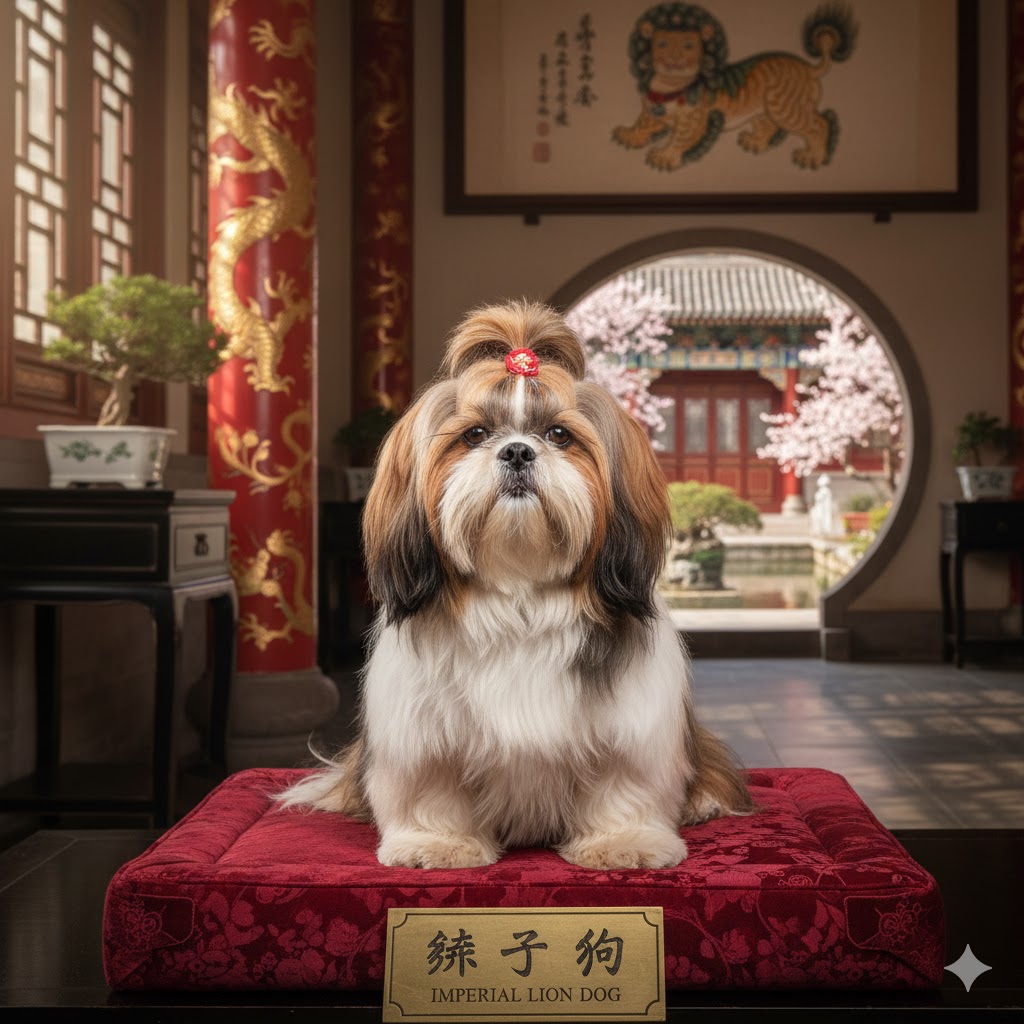
Few dogs have captured human hearts across so many centuries quite like the Shih Tzu. With its flowing coat, wide dark eyes, and proud yet gentle bearing, this “little lion dog” has journeyed from the gilded halls of ancient Chinese dynasties to the cozy couches of families around the world. But behind that adorable face lies a story steeped in legend, spirituality, politics, and love — a tale that bridges Tibet, China, and the Western world.
Thank you for reading this post, don't forget to subscribe!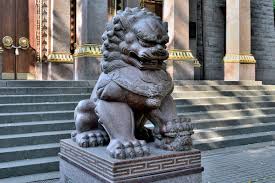


1. Ancient Roots: The Tibetan Origins
1.1. The Lion Symbol in Eastern Culture
Long before the first Shih Tzu was ever born, the lion held a powerful symbolic meaning throughout Asia. In Buddhism, lions represent courage, protection, and enlightenment — often seen guarding temple gates or depicted beside the Buddha himself.
Because no real lions lived in Tibet or China, Buddhist monks sought to breed small lion-like dogs that symbolized the mythical guardian creature. The Shih Tzu’s name literally translates from Mandarin as “lion dog” (獅子狗, shī zi gǒu), embodying this spiritual heritage.
1.2. The Tibetan Monks and Early Breeding
Historical evidence and temple records indicate that Tibetan Buddhist monks — especially those in the sacred monasteries of Lhasa — began breeding small dogs to resemble lions as early as the 7th century CE.
These dogs were not ordinary pets. They were considered holy companions, believed to carry the souls of monks yet to reach enlightenment. Some were even gifted to Chinese emperors as spiritual offerings, symbolizing the transmission of faith from Tibet to China.
It was likely during the Tang Dynasty (618 – 907 AD) that the earliest ancestors of the modern Shih Tzu traveled from Tibet into China.
2. The Imperial Era: The Shih Tzu in the Chinese Court
2.1. From Monasteries to the Ming Dynasty
As these Tibetan lion dogs reached the Chinese royal court, they were met with awe and affection. Chinese breeders began selectively crossing them with native lapdogs, particularly the Pekingese and the Lhasa Apso, creating variations of small, flat-faced, elegant dogs suited for palace life.
During the Ming Dynasty (1368 – 1644), small “lion dogs” became prized possessions of the imperial family. The Emperor’s concubines and court ladies adored them for their beauty, while Buddhist symbolism added a layer of sacred prestige.
2.2. The Empress’s Favorite: The Qing Dynasty Legacy
It was under the Qing Dynasty (1644 – 1912) that the Shih Tzu truly flourished as a distinct breed. The most famous patron of these dogs was Empress Dowager Cixi (Tz’u-hsi), who ruled China for nearly half a century.
Historical accounts describe her maintaining elaborate breeding programs within the Forbidden City. Only select courtiers or foreign dignitaries could receive a Shih Tzu as a gift — and even then, with strict conditions. The dogs were kept in silk-lined kennels, hand-fed by servants, and treated as miniature royalty.
It’s believed that Empress Cixi’s kennels produced two key toy breeds:
- The Pekingese, smaller with a flatter face.
- The Shih Tzu, slightly larger with a longer muzzle and luxurious coat.
The Shih Tzu of this era was described in ancient records as having “the body of a lion, the face of an owl, the eyes of a dragon, the tail of a peacock, and the gait of a goldfish.”
3. The Secret of the Forbidden City
For centuries, the Shih Tzu was jealously guarded by the imperial family. Exporting them outside the palace was forbidden; common citizens rarely, if ever, saw one.
Breeding was carefully controlled, and the dogs were documented in palace ledgers with lineage records. Only eunuchs and high-ranking officials could assist in their care.
Because of this secrecy, the Shih Tzu remained unknown to the outside world until the early 20th century, when the last dynasty fell and China opened to international visitors.
4. From Empire to Exile: The Breed Nearly Lost
When the Qing Dynasty collapsed in 1912, chaos followed. The Forbidden City’s treasures were looted or destroyed, and many royal breeding programs disappeared overnight.
Several palace dogs were lost, sold, or given to foreign diplomats fleeing China. A handful of these precious “lion dogs” were taken to England, where they would eventually become the ancestors of the modern Shih Tzu.
According to kennel records, one of the first documented Shih Tzus in the West was a female named “Hark Fu” (Blackie), imported to England in 1928. She, along with a few other Chinese imports, became the foundation of the breed’s revival.
5. Europe Embraces the “Lion Dog”


How to Know If Your Shih Tzu Puppy Is Purebred: A Simple Guide for Dog Lovers
The Future of Electric Vehicles: Are Hydrogen Cars a Threat?
5.1. The Danish Connection
Interestingly, it was in Denmark, not China or England, where modern Shih Tzu breeding first took solid root. In 1930, a pair of Shih Tzus owned by Mrs. Hutchins of England and Mrs. Thornton of Denmark formed the base of a new breeding line.
European breeders, fascinated by the dog’s imperial background and luxurious coat, worked to standardize its appearance — small, compact, with a proud head carriage and distinctive flowing hair.
5.2. Recognition in England
By 1934, the Shih Tzu Club of England was established, and in 1940, the Kennel Club (UK) officially recognized the Shih Tzu as a distinct breed separate from the Lhasa Apso.
World War II briefly halted breeding programs, but returning soldiers later reignited interest, especially in the United States.
6. Crossing Oceans: The American Arrival
The Shih Tzu arrived in the United States in the late 1940s and early 1950s, primarily through servicemen stationed in Europe and Asia.
The American Kennel Club (AKC) officially recognized the breed in 1969, placing it in the Toy Group. From there, the Shih Tzu’s popularity skyrocketed.
By the 1990s and 2000s, it ranked consistently among the Top 10 most popular dog breeds in America, beloved for its affectionate, playful personality and low-shedding coat.
7. The Modern Shih Tzu: Symbol of Affection and Elegance
Today’s Shih Tzu retains its regal aura, yet thrives equally well in apartments, family homes, or city life. Its purpose has evolved — no longer a palace treasure, but a loving companion that brings joy to millions.
Despite its small size, the Shih Tzu’s character is larger than life: bold, confident, and endlessly devoted.
The Evolution of the Shih Tzu – From Aristocratic Symbol to Global Icon
8. The 20th-Century Revival
When the old Chinese Empire fell, the exquisite palace dogs that had once lounged on silk cushions nearly vanished. Only fourteen dogs—seven males and seven females—are known to have survived outside of China, scattered across England, Norway, and Denmark.
These few precious animals became the foundation of every modern Shih Tzu alive today. Their guardians, mostly passionate European breeders, realized they were protecting not only a rare breed but also a cultural heritage that stretched back more than a thousand years.
8.1. The Kennel Pioneers
Among the key figures who rescued the Shih Tzu’s bloodline were:
- Lady Brownrigg (England) – One of the earliest to import Shih Tzus from China and Tibet; she was meticulous in her breeding records.
- Mrs. Hutchins (England) – Owner of the famous dog Hark Fu, believed to carry strong Tibetan genetics.
- Mrs. Thornton (Denmark) – Developed several early European lines and helped shape the compact body and rounded face typical of modern Shih Tzus.
Through careful record-keeping, these breeders established a standardized appearance:
- Height: 8–11 inches
- Weight: 9–16 pounds
- Coat: Long, dense, and flowing
- Head: Round, with a short muzzle and broad skull
- Expression: Sweet, intelligent, and proud
8.2. Post-War Breeding and Preservation
World War II threatened the breed’s survival again. Food shortages and restrictions forced many kennels to shut down. Yet a handful of dedicated owners hid or relocated their dogs, protecting the Shih Tzu’s bloodline through the darkest years.
After the war, returning soldiers stationed in Europe encountered these charming “lion dogs” and began bringing them home to America, Canada, and Australia. Each new continent added fresh enthusiasm — and with it, the Shih Tzu’s second great renaissance began.
9. The American Love Affair with the Shih Tzu
9.1. Arrival and Recognition
When American servicemen returned from post-war Europe, some carried not just stories but small, furry ambassadors of Chinese heritage. By the early 1960s, these dogs had appeared in several U.S. dog shows, captivating audiences with their grace and friendliness.
In 1969, the American Kennel Club (AKC) formally recognized the Shih Tzu as a member of the Toy Group. Almost overnight, demand soared. Breeders rushed to register litters, and the once-rare palace companion became one of the fastest-growing toy breeds in America.
9.2. Pop Culture and Celebrity Appeal
By the 1970s and 1980s, Shih Tzus were everywhere — featured in movies, gracing magazine covers, and adored by celebrities. Famous Shih Tzu owners have included:
- Queen Elizabeth II, who received a Shih Tzu as a gift.
- Elizabeth Taylor, often seen traveling with her Shih Tzu in tow.
- Bill Gates and Mariah Carey, among many others.
These associations boosted the breed’s popularity further, transforming it into a global symbol of affectionate luxury.
9.3. The Companion Dog Revolution
While many breeds were developed for work — herding, guarding, hunting — the Shih Tzu’s primary purpose was, and still is, companionship.
This made it especially appealing during the late 20th century, as urbanization increased and more families sought pets suited for apartment living. The Shih Tzu’s friendly disposition, manageable size, and minimal shedding made it ideal for city dwellers and seniors alike.
10. The Genetics Behind the “Lion Dog”
Modern DNA studies confirm that the Shih Tzu is among the 14 oldest dog breeds in the world — its lineage predating many modern European breeds by centuries.
10.1. Genetic Relatives
Genome mapping links the Shih Tzu closely to:
- Lhasa Apso – Its Tibetan cousin, slightly larger and coarser-coated.
- Pekingese – The imperial lapdog of Beijing, contributing the flat face and short muzzle.
- Tibetan Spaniel – Possibly one of the earliest progenitors, lending the Shih Tzu its lively, curious temperament.
This genetic trio, refined within China’s royal kennels, produced a breed with both Buddhist symbolism and distinctive anatomy — a rounded head, large eyes, and luxuriant coat reminiscent of the lion imagery cherished by the Chinese court.
10.2. Selective Breeding and Challenges
Centuries of selective breeding have shaped today’s Shih Tzu into a small yet robust toy breed. However, certain physical traits — particularly the short muzzle (brachycephalic structure) — require responsible breeding to avoid respiratory or dental issues.
Modern breed clubs emphasize health-conscious breeding, encouraging moderate features over exaggeration. This balance helps preserve both the Shih Tzu’s beauty and its long-term vitality.
11. Cultural Symbolism: The Shih Tzu as a Spiritual Icon
11.1. The “Lion Dog” of Buddha
In Buddhist folklore, the Shih Tzu was believed to embody the spirit of the lion, a guardian of temples and a companion of enlightenment. Legends tell that Buddha himself traveled with a small lion-like dog that could transform into a full-sized lion to protect him from danger.
Tibetan monks, inspired by these tales, bred the Shih Tzu as a living representation of compassion and protection. Owning or gifting one was considered a sacred act.
11.2. Royal Symbolism in China
Within the Chinese court, the Shih Tzu was more than a pet; it was a status symbol and spiritual charm. The dogs were featured in imperial art, embroidered on silk robes, and even immortalized in porcelain sculptures.
They symbolized:
- Wealth and fortune – because only nobles could own them.
- Loyalty and prosperity – as they were believed to bring blessings to households.
- Harmony and peace – reflecting the Buddhist ideal of balance.
Even today, decorative figurines of lion dogs (known as Foo Dogs or Shishi) guard entrances to temples and homes across East Asia — visual cousins to the living Shih Tzu.
12. The Shih Tzu in Western Art and Media
As the breed spread to Europe and America, it found new ways to enchant. Artists and filmmakers began to celebrate the Shih Tzu for its distinctive appearance and regal demeanor.
12.1. The Artistic Muse
Painters in the mid-20th century loved the Shih Tzu’s expressive face. The dog appeared in family portraits and fashion photography, often symbolizing refinement and companionship.
12.2. The Screen Star
Movies like Seven Psychopaths (2012) and Best in Show (2000) playfully highlighted the Shih Tzu’s personality — proud yet comedic, self-possessed yet loving.
On social media, thousands of Shih Tzu influencers now capture millions of followers, their long coats and charming antics reinforcing the breed’s timeless appeal.
13. Breed Standards and Modern Variations
13.1. Official Standards
Each kennel club has its formal definition of the ideal Shih Tzu. The AKC describes the breed as:
“A sturdy, lively, alert toy dog with long flowing double coat, distinctly arrogant carriage with head held high and tail curved over the back.”
Key features include:
- A short muzzle, but not so flat as to hinder breathing.
- Round, wide-set eyes that convey warmth and intelligence.
- A level topline and plumed tail carried gaily over the back.
13.2. Show Lines vs. Companion Lines
While show-bred Shih Tzus often display extravagant coats and symmetrical proportions, companion-bred dogs may have shorter coats for easier maintenance.
Both retain the same cheerful temperament: affectionate, playful, and full of personality.
13.3. Color and Coat Diversity
The Shih Tzu’s coat is its crowning glory — available in nearly every color combination: gold, black, white, brindle, blue, liver, and more. Some even change shades as they mature.
Regular grooming (brushing, bathing, trimming) is part of preserving this beauty — a nod to the pampered care they once received in royal courts.
14. The Modern Shih Tzu Personality
Despite its royal origins, the Shih Tzu today is down-to-earth, loving, and social. Owners often describe them as “little clowns with big hearts.”
14.1. Temperament Highlights
- Affectionate – Shih Tzus bond deeply with their humans.
- Adaptable – Comfortable in apartments or large homes.
- Alert – They make surprisingly good watchdogs, barking to alert their owners of new visitors.
- Gentle with children and other pets, making them an ideal family companion.
14.2. Intelligence and Training
Shih Tzus are intelligent but independent thinkers. Positive reinforcement, patience, and play-based training yield the best results. Their eagerness to please, coupled with their humorous streak, turns every session into fun rather than a chore.
15. Global Popularity and Breed Preservation
The Shih Tzu continues to rank among the Top 20 most popular dog breeds worldwide, cherished from Tokyo to Toronto.
15.1. Rescue and Welfare
Because of its popularity, responsible breeding and adoption remain important. Many rescue organizations specialize in rehabilitating Shih Tzus surrendered due to grooming needs or neglect.
15.2. Breed Clubs and Global Standards
Clubs such as the American Shih Tzu Club, UK Shih Tzu Club, and Fédération Cynologique Internationale (FCI) work to:
- Educate owners about health care and grooming.
- Promote genetic diversity.
- Prevent overbreeding and exploitation by puppy mills.
15.3. Health and Longevity
With good care, Shih Tzus typically live 12–16 years. Proper nutrition, exercise, and dental hygiene ensure they stay as radiant and joyful as their imperial ancestors.
16. Why the Shih Tzu Endures
The enduring appeal of the Shih Tzu lies in its perfect blend of history, elegance, and heart. Few breeds can claim such a dramatic journey — from sacred Tibetan temples to Chinese palaces, from European salons to modern family homes.
The Shih Tzu is more than just a breed; it is a living thread that connects ancient spirituality with contemporary companionship. Each silky strand of its coat tells a story of devotion, artistry, and resilience.