
🕊️ The Ultimate Guide to Birds: Types, Training, Body Language, Health, Foods, and Why They’re Good for Owners
Introduction
The Friendly Birds & How to Train Them: Birds have fascinated humankind for centuries with their vibrant colors, intelligent behavior, and melodious voices. They are among the most diverse vertebrates on Earth, living in nearly every ecosystem — from tropical jungles to urban balconies. As pets, birds bring companionship, beauty, and joy, enriching the emotional and mental health of their owners.
Thank you for reading this post, don't forget to subscribe!Understanding the different types of birds, their training methods, body language, nutritional needs, and health care helps ensure these intelligent creatures live long, happy lives. This comprehensive article explores everything you need to know about birds — technically accurate, SEO-friendly, and written in natural human style for blog readers and Google AdSense approval.
🐦 Types of Birds: Diversity and Characteristics
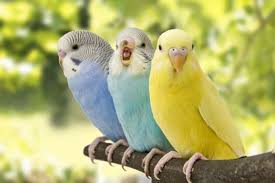
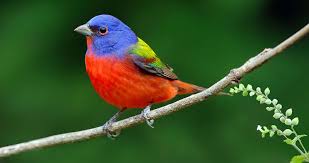
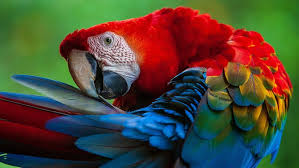
There are more than 10,000 bird species worldwide, but only a fraction are domesticated or suitable as companion pets. Below are the most popular and scientifically categorized pet bird groups.
1. Parrots (Order Psittaciformes)
Parrots are renowned for their intelligence, vocal mimicry, and strong social bonds. They include over 350 species, from tiny budgerigars to giant macaws.
Popular Parrot Types
- African Grey Parrot: Exceptional cognitive ability and speech mimicry; requires high mental stimulation.
- Budgerigar (Budgie): Small, colorful, social, and perfect for beginners.
- Cockatiel: Gentle, affectionate, and relatively easy to train.
- Macaw: Large, playful, and vibrant; needs spacious environments.
- Amazon Parrot: Excellent talkers with strong personalities; thrive on interaction.
2. Finches and Canaries (Order Passeriformes)
Known as “songbirds,” finches and canaries are admired for their melodic calls and bright plumage.
- Finches: Small, active, and best kept in pairs or groups.
- Canaries: Beautiful solo singers; come in color varieties like red, yellow, and white.
3. Lovebirds (Genus Agapornis)
Named for their affectionate nature, lovebirds form strong pair bonds and display playful personalities. They require daily human or avian interaction.
4. Cockatoos
Large, expressive birds with impressive crests. Highly affectionate but prone to separation anxiety if neglected. Lifespan: 40–70 years.
5. Conures and Parakeets
Medium-sized, colorful, and energetic birds that love social engagement. Conures are known for playful antics and require mental stimulation.
6. Exotic and Domestic Varieties
Species such as lorikeets, eclectus parrots, and doves are also popular among avian enthusiasts, each needing specialized diets and environments.
🧠 Bird Training and Understanding Body Language
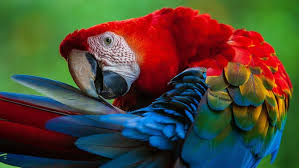
Birds are intelligent and emotional. Training them builds trust, reduces stress, and encourages positive behavior.
1. Principles of Bird Training
Training must be based on positive reinforcement, consistency, and patience. Birds respond to tone, body posture, and repetition.
Key Training Techniques
- Clicker Training: Pair a sound (click) with a treat to reinforce behavior.
- Target Training: Teach the bird to touch a stick or finger for guidance.
- Step-Up Command: The foundation of trust — bird steps onto the hand or perch on cue.
- Recall Training: The Bird learns to fly or walk to the owner when called.
2. Avoid Negative Reinforcement
Never punish or shout at birds; fear causes permanent behavioral trauma. Instead, redirect attention or remove the reward stimulus.
3. Decoding Bird Body Language
Birds communicate through feathers, eyes, posture, and sounds. Recognizing these signals is essential for bonding and safety.
| Body Signal | Meaning | Owner Response |
|---|---|---|
| Fluffed Feathers | Relaxed or grooming comfort | Normal; avoid disturbing |
| Pinned Pupils (Rapid Eye Change) | Excitement, aggression, or curiosity | Assess context before approaching |
| Tail Fanning | Warning or courtship | Maintain distance |
| Beak Grinding | Contentment | Indicates relaxation |
| Head Bobbing | Playful behavior or feeding gesture | Observe context |
| Wing Drooping | Fatigue or overheating | Offer rest and hydration |
| Feather Plucking | Stress, boredom, or illness | Consult veterinarian |
4. Vocal Communication
Birds express moods through chirps, whistles, or squawks.
- Soft Chirping: Happiness or communication?
- Loud Screeching: Attention-seeking or fear.
- Whistling or Mimicry: Engaged and stimulated stat
🩺 Bird Health and Veterinary Treatments
A healthy bird displays alertness, smooth feathers, bright eyes, and a regular appetite. Birds hide illness instinctively, so subtle changes must be monitored.
1. Preventive Health Care
- Regular Vet Visits: Annual or biannual checkups for early detection.
- Balanced Diet: Prevents malnutrition and obesity.
- Clean Habitat: Prevents respiratory and fungal infections.
- Appropriate Temperature: Avoid drafts and overheating.
- Social Interaction: Prevents depression and destructive behavior.
2. Common Bird Diseases
| Disease | Symptoms | Treatment |
|---|---|---|
| Psittacosis (Parrot Fever) | Nasal discharge, lethargy, green droppings | Antibiotics (doxycycline); zoonotic caution |
| Aspergillosis | Breathing difficulty | Antifungal medication; humidity control |
| Avian Gastric Yeast (AGY) | Weight loss, vomiting | Antimycotic therapy, diet change |
| Feather Destructive Behavior | Feather plucking | Behavioral modification, enrichment |
| Egg Binding (Females) | Straining, lethargy | Calcium therapy, emergency care |
| Nutritional Deficiency (Vit A, D, E) | Dull plumage, infections | Diet correction, supplements |
3. First-Aid Basics
- Keep a bird-safe first-aid kit: styptic powder, saline, tweezers, antiseptic spray.
- For bleeding feathers, apply pressure with clean gauze and seek veterinary help.
- Always isolate sick birds to prevent infection spread.
SEO Keywords:
bird health care, common bird diseases, avian treatment guide, pet bird vet care, how to keep birds healthy
🥦 Bird Nutrition and Feeding
Nutrition is the cornerstone of avian longevity. Improper feeding is the leading cause of preventable bird illness.
1. Components of a Balanced Diet
- Pellets (60–70%) – Scientifically balanced with essential vitamins.
- Fresh Fruits & Vegetables (20–25%) – Apples, spinach, carrots, broccoli, papaya.
- Seeds & Grains (10–15%) – Use as treats; high in fat.
- Calcium & Mineral Blocks – Support bone and eggshell strength.
- Clean Water – Replace twice daily to prevent bacterial growth.
2. Toxic Foods to Avoid
- Avocado
- Chocolate and caffeine
- Onions and garlic
- Alcohol and salt
- Apple seeds (contain cyanide)
3. Feeding Routine Tips
- Maintain regular feeding times.
- Avoid overfeeding treats.
- Rotate fresh produce to ensure dietary variety.
- Observe droppings daily — changes can indicate illness.
⚕️ Bird Treatments and Preventive Medicine
1. Vaccinations and Parasite Control
- Vaccines (where available) protect against avian pox and polyomavirus.
- Regular deworming and mite control prevent infestations.
2. Environmental Hygiene
- Clean cages weekly with mild disinfectants.
- Use stainless-steel dishes instead of plastic to avoid bacterial buildup.
- Provide adequate ventilation and UV exposure for vitamin D synthesis.
3. Holistic & Supportive Care
- Herbal supplements (approved by avian vets) such as milk thistle support liver function.
- Behavioral enrichment reduces plucking and anxiety.
- Light therapy helps regulate circadian rhythms.
💚 Why Birds Are Good for Owners
Owning birds provides profound mental, emotional, and social benefits supported by scientific research.
1. Emotional and Mental Health Benefits
- Stress Reduction: Birdsong and rhythmic chirping lower cortisol levels.
- Companionship: Birds form emotional bonds and recognize owners.
- Mindfulness and Focus: Observing and caring for birds promotes relaxation and awareness.
2. Cognitive and Social Benefits
- Birds, especially parrots, encourage communication, empathy, and patience.
- Teaching birds to mimic words stimulates mental activity for both pet and owner.
- Families benefit from shared responsibility and education about animal care.
3. Physical Benefits
- Regular cleaning, feeding, and cage maintenance encourage gentle physical activity.
- Reduces sedentary habits and promotes daily routine consistency.
4. Therapeutic Uses
Birds are now used in animal-assisted therapy programs in hospitals and care homes. Their colors and sounds help reduce anxiety in patients and improve emotional well-being.
🧭 Responsible Bird Ownership
1. Ethical Sourcing
Purchase or adopt birds from licensed breeders or sanctuaries. Avoid wild-caught birds to protect biodiversity and prevent illegal trade.
2. Housing and Enrichment
- Cage size: Minimum width 1.5 × bird’s wingspan.
- Provide perches of varying textures and diameters to prevent foot sores.
- Offer toys for mental stimulation: mirrors, bells, ropes, and puzzle feeders.
- Allow daily supervised flight or out-of-cage activity.
3. Grooming and Maintenance
- Regularly trim nails and beaks (by a professional).
- Offer shallow baths or mist sprays for feather care.
- Replace perches and toys periodically for hygiene and interest.
4. Safety Precautions
- Keep birds away from fumes (non-stick cookware, aerosol sprays).
- Ensure windows and fans are secured during free flight.
- Monitor temperature and humidity for tropical species.
🔬 Technical Summary (for Expert Readers)
- Taxonomy: Birds belong to the class Aves; characterized by feathers, endothermy, and hollow bones.
- Average Lifespan: Small birds 5–15 years; large parrots up to 80 years.
- Dietary Requirement: High protein (10–20%), moderate fat, balanced calcium–phosphorus ratio.
- Environmental Factors: Temperature 18–26 °C; humidity 40–60%; photoperiod 12–14 hours light.
- Reproductive Cycle: Breeding is influenced by daylight; provide nesting materials in season.
- Behavioral Science: Positive reinforcement has proven more effective than dominance-based methods (Journal of Avian Behavior, 2023).
🧩 Quick Reference: Bird Owner’s Checklist
| Category | Daily | Weekly | Monthly |
|---|---|---|---|
| Feeding & Water | Refresh twice daily | Deep clean dishes | – |
| Cage Hygiene | Remove waste | Wash cage liners | Disinfect cage |
| Interaction & Play | Minimum 1 hour | Introduce new toy | Rotate toys |
| Health Observation | Check eyes, feathers | Weight check | Vet visit (if needed) |
Conclusion
Birds are remarkable companions — intelligent, expressive, and emotionally attuned to their human caregivers. From the melodic canary to the articulate African grey, each species offers unique beauty and companionship.
Proper training, balanced nutrition, health management, and emotional interaction form the pillars of responsible avian ownership. The rewards are immense: reduced stress, improved well-being, and the incomparable joy of sharing your life with a creature that can sing, learn, and love.
By combining technical care with compassion, every bird owner can ensure these feathered friends live vibrant, healthy, and fulfilling lives — transforming homes into sanctuaries of sound, color, and harmony.
