
German Shepherd Dog: Complete Guide to Care, Behavior, and Health
Introduction
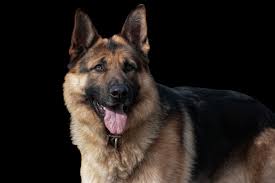
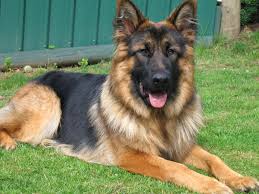
The German Shepherd, also known as the GSD (German Shepherd Dog), is one of the most popular and respected dog breeds worldwide. Known for intelligence, loyalty, and versatility, they serve not just as pets, but as working dogs in police, military, search & rescue, and service roles. If you are considering getting a German Shepherd or simply want to understand this noble breed better, this guide covers everything from origins and temperament to grooming, training, diet, and common health issues.
Thank you for reading this post, don't forget to subscribe!
Keywords to Know
To help you and others find this article via search engines, here are some of the high-ranking keywords used throughout:
- German Shepherd
- German Shepherd care
- German Shepherd health
- German Shepherd training
- German Shepherd temperament
- German Shepherd diet
- German Shepherd grooming
- German Shepherd exercise
- German Shepherd puppies
- German Shepherd lifespan
1. Origin, History, and Breed Characteristics
Origin & History
- The German Shepherd was developed in Germany in the late 19th century by Max von Stephanitz and others. The aim was to create a herding dog that was intelligent, agile, strong, and capable of many tasks. (Encyclopedia Britannica)
- The breed standard (Verein für Deutsche Schäferhunde) was established in 1899. (Wikipedia)
Physical Characteristics
- Size & Weight: Males typically stand about 24-26 inches (60-66 cm) at the shoulder, females around 22-24 inches. Weights range depending on sex and build, usually between 50-90 pounds (23-41 kg). (Encyclopedia Britannica)
- Coat & Color: They have a double coat (dense undercoat + a harsher outer coat). Common coat colors include black & tan, sable, black, bi-color, and grayish combinations. (Encyclopedia Britannica)
- Lifespan: On average, 10-14 years, but this can vary based on genetics, diet, exercise, and health care. (Encyclopedia Britannica)
2. Temperament & Behavior
- German Shepherds are intelligent, loyal, alert, and often protective of their families. These traits make them excellent guard dogs and companions when properly socialized. (DogAcademy.org)
- Early socialization (exposure to different people, environments, sounds) is key. Without it, they can become wary or anxious around strangers. (PetMD)
- They have a strong desire to work and to have a “job.” In the absence of mental and physical activities, they may develop undesirable behaviors like chewing, barking, or digging. (PetMD)
3. Exercise & Activity Requirements
- German Shepherds are high-energy dogs. They need both physical exercise and mental stimulation every day. (Shepherd Sense)
- For adults: at least 60-120 minutes of exercise daily (walks, runs, play, agility, etc.). Puppies: shorter sessions appropriate to age (walking, play, but avoid over-exertion until joints mature). (Shepherd Sense)
- Low-impact activities can be beneficial, especially during puppyhood, to protect developing joints. Swimming, easy fetch, obedience training, etc. (Shepherd Sense)
4. Diet & Nutrition
- Quality of food matters greatly. Use large-breed puppy formula while growing and switch to adult food when fully grown (often around 12-18 months). (PetMD)
- Balanced nutrition with adequate protein, fats, vitamins, and minerals is essential. Avoid table scraps and foods not meant for dogs. (PetMD)
- Feeding schedule: Puppies may require 3-4 meals per day; adults typically 1-2 meals per day. Adjust based on activity level, health, and veterinarian advice. (PetMD)
- Watch out for dietary issues like bloat (gastric dilatation-volvulus), which German Shepherds are relatively susceptible to. Avoid heavy exercise immediately before or after feeding. (Encyclopedia Britannica)
5. Grooming & Hygiene
- Their double coat sheds moderately all year and heavily during shedding seasons (spring & fall). Frequent brushing helps manage this. (PetMD)
- Bathing should be occasional (every few months or as needed). Over-bathing can strip natural oils from the skin. (PetMD)
- Nail trimming, dental care, and ear cleaning are also important. Nails too long can cause discomfort; ears, if dirty or moisture-laden, may suffer infections. (PetMD)
- Grooming routines help monitor skin issues, ticks, or parasites, and general coat health. (Shepherd Sense)
6. Health Issues & Common Problems
German Shepherds are generally healthy when well cared for, but like all breeds, they have predispositions:
| Health Issue | Description | Prevention / What to Watch For |
|---|---|---|
| Hip & Elbow Dysplasia | Malformed joints that can lead to pain, arthritis | Buy from responsible breeders who screen for this; avoid high-impact activities early; maintain healthy weight. (PetMD) |
| Degenerative Myelopathy | Progressive spinal disease in older dogs | Regular vet checkups; genetic screening if available. (iams-india.com) |
| Bloat (GDV) | Life-threatening twisting of the stomach | Feed multiple smaller meals; avoid heavy exercise around meal times; know signs (distended abdomen, retching) and act quickly. (Encyclopedia Britannica) |
| Skin/Ear Allergies | Irritation caused by the environment, diet, and parasites | Good grooming, proper diet, vet-approved allergy treatments, and regular ear checks. (PetMD) |
| Eye/Heart/Thyroid Conditions | Can be inherited or develop with age | Buy from responsible breeders who screen for this; avoid high-impact activities early; maintain a healthy weight. (PetMD) |
7. Training & Socialization
- Start training early: ideally during the puppy stage (8-16 weeks). Early socialization with people, pets, and different environments helps reduce fear or aggression. (PetMD)
- Use positive reinforcement techniques (treats, praise, play). German Shepherds are intelligent and respond well to clear guidance and consistency. Hard or harsh methods may lead to fear or stress. (DogAcademy.org)
- Teach basic obedience (sit, stay, come) before progressing to advanced skills or work. Mental training (puzzle toys, scent work, agility) helps prevent boredom. (DogAcademy.org)
- Socialization is ongoing; even adult dogs benefit from exposure to new experiences. Regular routines, walks, and supervised interactions with other dogs and people. (PetMD)
8. Living Conditions & Environment
- German Shepherds thrive when they have space and opportunities to move. A house with a yard is better than being confined in a small apartment. (Dog’s Best Life)
- But with enough exercise, mental stimulation, and walks, some may adapt to smaller living spaces. Still, make sure they get enough activity. (DogAcademy.org)
- Be mindful of climate: Their thick double coat helps in cold climates; in hot weather, ensure shade, cool water, and avoid heat exhaustion. Grooming helps reduce insulation in summer. (WebMD)
9. Selecting a German Shepherd Puppy
- Choose a reputable breeder. They should provide health clearances for hip, elbow, possibly eye, and heart issues. They should allow you to meet the parents or at least see the health records. (Cuteness)
- Observe the temperament of the parent dogs if possible: a well-socialized, confident mother often influences the puppy’s behavior. (DogAcademy.org)
- Look for signs of good health in puppies: clear eyes, clean ears, energetic but not hyperactive, good appetite, and solid hygienic conditions in the breeding home.
10. Maintenance Cost & Time Commitment
- Time: German Shepherds need daily time for walking, play, training, and grooming. If left alone or bored, they can become destructive.
- Cost: Consider costs for quality food, veterinary care (vaccinations, spay/neuter, treatments), grooming supplies, training, and possible health issues.
- If you work full-time, plan for someone to take over exercise or consider dog-daycare / dog-walker.
11. Tips for a Happy, Well-Adjusted German Shepherd
- Consistent routine. Dogs thrive on routine — feeding, walks, play, rest.
- Mental health matters. Toys, puzzle feeders, and learning new commands will keep a GSD mentally sharp.
- Positive social experiences. Exposure to different people, pets, noises, and places helps build confidence.
- Monitor weight & joint health. Prevent obesity; choose exercises appropriate to age; supplement joints only under vet guidance.
- Veterinary care & screening. Regular check-ups, vaccinations, parasite prevention, and dental care.
12. German Shepherd Puppies vs Adults
| Feature | Puppies | Adults |
|---|---|---|
| Energy levels | Very high; frequent bursts; need more rest | High, but more stamina and focus |
| Training needs | Basic obedience, housebreaking, socialization | High, but with more stamina and focus |
| Feeding | More frequent small meals; special large-breed puppy formulas | 1-2 meals a day; adult maintenance food |
| Supervision | Advanced training, work, and agility | Can handle more independence |
13. Frequently Asked Questions (FAQs)
Q: Do German Shepherds bark a lot?
A: They are alert and will bark when needed (strangers, unusual noises). Proper training and socialization help control excessive barking.
Q: Are they good family dogs / with children?
A: Yes, when raised properly. They are protective and loyal. Supervision is important, especially with young children. Teaching children how to behave around dogs is also critical.
Q: How often should I groom my German Shepherd?
A: Brush 2-3 times a week normally. Daily or every day during heavy shedding periods. Bathe only when necessary (every few months or if dirty).
Q: How long do German Shepherds live?
A: Typically 10-14 years, depending on care, genetics, and environment.
Q: Are German Shepherds hypoallergenic?
A: No. Their double coat sheds heavily, which releases dander. They are not suited for people with strong dog allergies.
14. SEO Tips for Sharing or Blogging About German Shepherds
If you’re writing or publishing content about German Shepherds, here are SEO tips:
- Use long-tail keywords like “German Shepherd care tips”, “how to train a German Shepherd puppy”, “German Shepherd health issues”.
- Make use of headings (H2, H3) for structure.
- Use bullet points, numbered lists to break down complex topics.
- Include high-quality, copyright-free images (with proper alt text), for example, “German Shepherd exercising”, “German Shepherd puppy grooming”, etc.
- Internal links: link to your related content (dog care, training, etc.). External links: credible sources like veterinary sites.
Conclusion
The German Shepherd is a remarkable breed combining beauty, intelligence, loyalty, and versatility. But they require responsible ownership: time, energy, training, and care. For those who can commit, a German Shepherd becomes more than a pet — a companion, protector, and friend for life. Ensuring proper diet, exercise, grooming, and healthcare will maximize their lifespan and quality of life.


