
Introduction
The pitbull dog is among the most controversial, misunderstood, yet beloved dog types in the world. While many people see danger or aggression, countless owners and advocates view Pitbulls as loyal, affectionate, and intelligent companions. In this blog, we’ll deep dive into Pitbull behavior, health issues, strength and protection abilities, nutrition, training, and history. By the end, you’ll gain a comprehensive, balanced view of this powerful breed type.
Thank you for reading this post, don't forget to subscribe!Key SEO keywords used in this article:
Pitbull dog, Pitbull behavior, Pitbull health, Pitbull protection, Pitbull strength, Pitbull history, Pitbull nutrition, Pitbull training, Pitbull myths, bully breeds.
Table of Contents
- What Is a “Pitbull”? Definitions & Types
- History of Pitbulls
- Physical Characteristics, Strength & Athleticism
- Behavior, Temperament & Socialization
- Protection & Guarding Abilities
- Health, Common Diseases & Lifespan
- Nutrition, Feeding & Diet
- Training, Obedience & Mental Enrichment
- Pitbull Myths & Misconceptions
- Breed-Specific Legislation & Legal Aspects
- Pitbulls in Popular Culture & Famous Examples
- Tips for Prospective Owners
- Conclusion
1. What Is a “Pitbull”? Definitions & Types
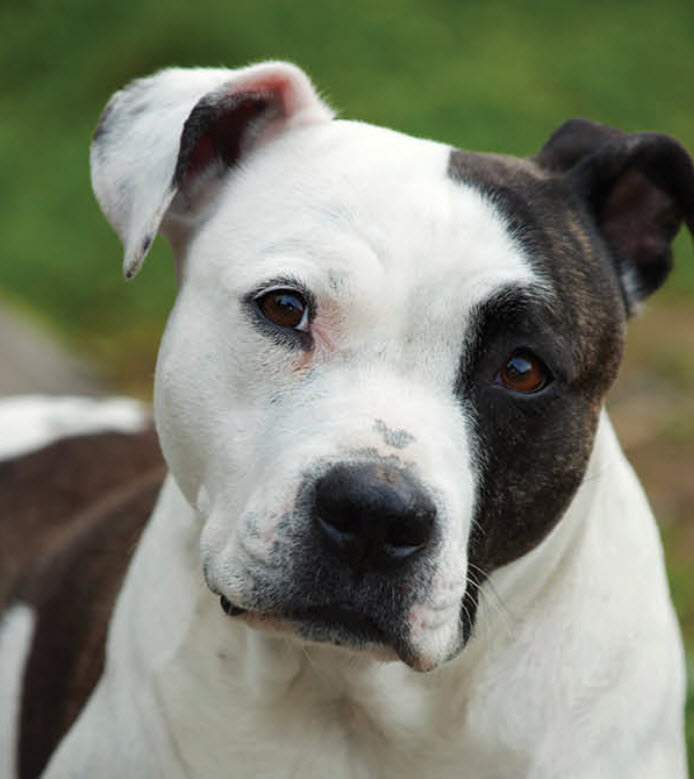
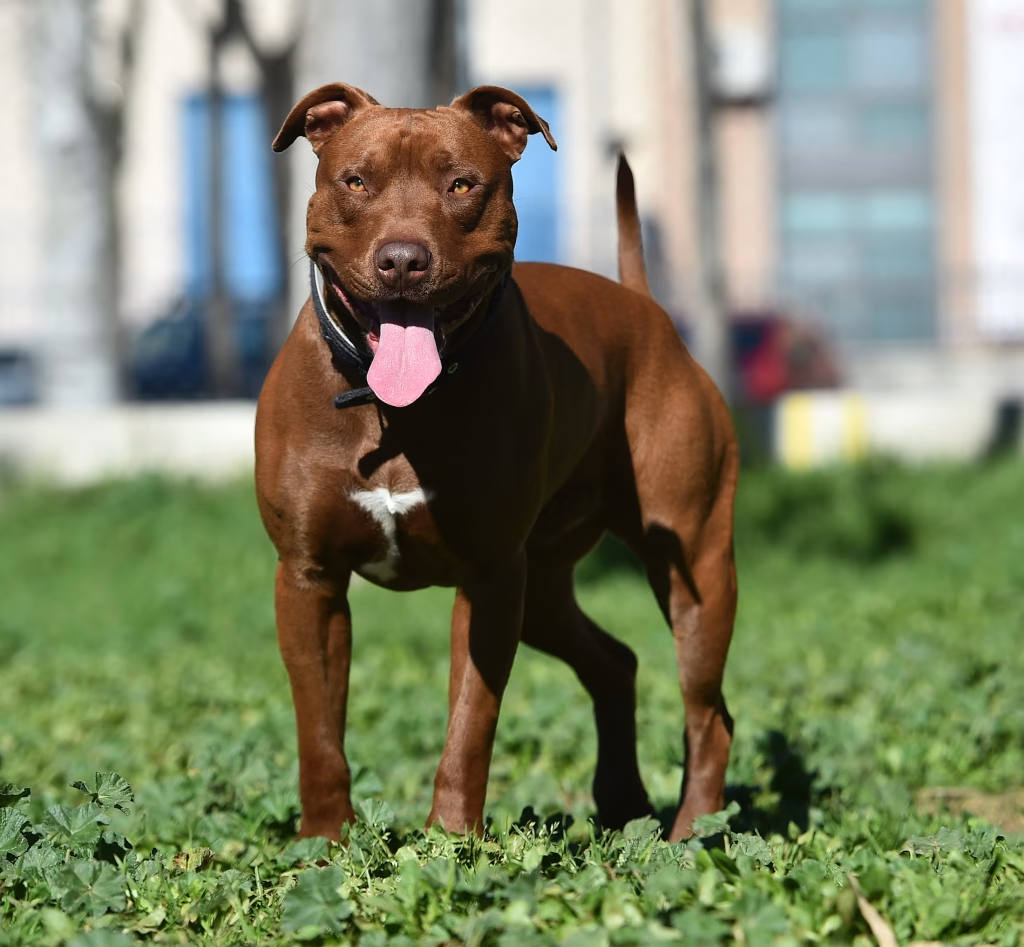
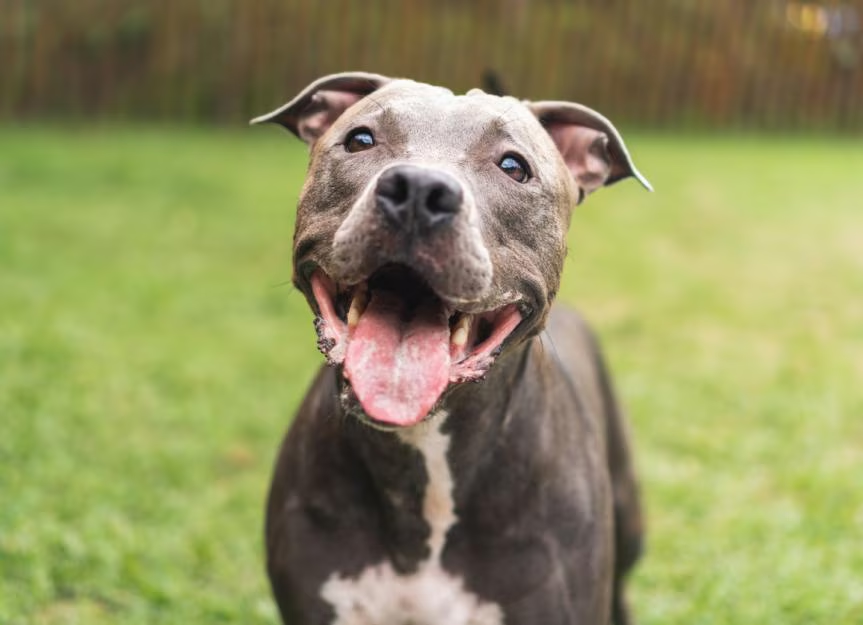
The term Pitbull is not a formal, single dog breed recognized universally by kennel clubs. Rather, it is a type or “umbrella label” used to describe several related breeds and mixed dogs that share physical and historical traits. Common types include:
- American Pit Bull Terrier (APBT)
- American Staffordshire Terrier
- Staffordshire Bull Terrier
- Bull Terrier / Bully variants
- Mixed breeds with “bully” or terrier heritage
Because “Pitbull” is loosely defined, what exactly qualifies can vary by region, shelter, or law.
In breed standards (such as for the APBT), emphasis is placed on strength, confidence, agility, and a temperament that is reliable with people (human aggression is considered a disqualifier). (Wikipedia)
Thus, when someone says “Pitbull,” they are generally referring to a strong, athletic bully-type dog with a terrier origin.
How to Remove Knots from a Shih Tzu Puppy: A Simple Guide for Pet Owners
2. History of Pitbulls
Origin & Ancestors
- The roots of the Pitbull trace back to Molossers, an ancient Greek dog group known for their stocky build and bravery. (aspcapetinsurance.com)
- In 19th-century Britain, breeders crossed Old English Bulldogs (used in bullbaiting) with agile terriers to produce “bull-and-terriers” — dogs that combined strength and gameness. (love-a-bull.org)
- After laws banning bullbaiting (1835 in Britain), enthusiasts turned to ratting (dogs killing rats in pits) and underground dogfighting. That’s where the “pit” in Pitbull comes from — the ratting pits. (love-a-bull.org)
Migration to America & Breed Development
- Immigrants brought these bull-and-terrier dogs to the U.S. in the mid-1800s. There, they were refined into what became the American Pit Bull Terrier. (The Spruce Pets)
- In early U.S. life, Pitbulls served multipurpose roles: farm dogs, catching hogs, guarding, companion roles, and even in war propaganda and mascots during World Wars. (love-a-bull.org)
- Over time, selective breeding separated lines intended for companionship and performance from fighting lines.
- In modern times, the Pitbull image has been polarizing: some view it as a dangerous fighting dog, others as a loyal family dog.
Cultural & Social Shift
- Throughout the 20th century, Pitbulls were featured in pop culture (e.g., “Petey” from Little Rascals) and used as patriotic symbols. (love-a-bull.org)
- However, with increased media reporting on dog bite incidents, regulations (breed-specific legislation) emerged. (Wikipedia)
- Today, many advocates emphasize responsible ownership, early socialization, and training to counter negative stereotypes.
3. Physical Characteristics, Strength & Athleticism
Size & Build
- Pitbulls are medium-sized, muscular dogs with short coats and a compact, powerful frame. (The Spruce Pets)
- Males typically weigh 35–70 pounds (≈ 16–32 kg), stand around 18–21 inches tall; females are slightly smaller. (The Spruce Pets)
- The breed’s conformation is designed for power, agility, and endurance.
Strength, Bite & Physical Capability
- Pitbulls are known for strong jaw muscles, solid bone structure, and a tenacious grip when they bite.
- Despite myths, “locking jaws” is a myth — no dog breed has a physiological mechanism to “lock” its jaws. (thehumanesociety.org)
- Their strength gives them the ability to pull, climb, jump, run fast, and maintain grip — useful in dog sports (pulling weights, agility, weight pulling).
- Their agility and endurance make them capable participants in canine performance events. (Wikipedia)
Coat, Colors & Appearance
- Short, smooth coat requires minimal grooming. Variety of colors: brindle, blue, fawn, black, white, and patch patterns. (The Spruce Pets)
- Ears are often cropped (in some areas), though natural ears are medium and set high.
- Eyes are typically wide-set, alert, and expressive.
Athleticism & Stamina
- Pitbulls have high energy levels and demand regular exercise. (The Spruce Pets)
- They perform well in dog sports like agility, obedience, disc dog, tracking, and weight pulling.
- Because of their athleticism, they are less suited to a sedentary lifestyle or limited exercise routine.
4. Behavior, Temperament & Socialization
General Temperament
- Many Pitbulls are people-oriented, affectionate, and playful. (The Farmer’s Dog)
- They often bond strongly to their humans and enjoy being involved in family life.
- They can be persistent, energetic, and eager to please — traits that make them trainable. (familyfriendsvet.com)
Intelligence & Trainability
- Pitbulls are considered highly intelligent and capable of learning advanced commands. (familyfriendsvet.com)
- Positive reinforcement training works best; force-based methods may backfire with such a strong-willed dog.
- Proper socialization from puppyhood is essential to help them become confident and well-mannered adults. (ASPCA)
Dog-Dog & Animal Interactions
- Because of their history and sometimes higher prey drive, Pitbulls can be dog-reactive or aggressive toward other dogs if not socialized well. (The Spruce Pets)
- Early and frequent exposure to other dogs, supervised interactions, and structured socialization help mitigate this.
- With smaller animals (cats, rodents), caution is needed until trust is established.
Aggression: Nature vs Nurture & Risk Factors
- The key debate: Is aggression inherent in Pitbulls or caused by the environment? Many studies and experts conclude that environment, training, and ownership influence behavior more than breed alone. (thehumanesociety.org)
- The American Temperament Test Society has shown that many Pitbull-type dogs pass temperament testing at rates comparable to or better than many breeds. (thehumanesociety.org)
- The ASPCA also states: aggression is not a breed trait — poor socialization, neglect, abuse, chaining, and isolation are stronger predictors of biting. (ASPCA)
Signs of Aggression & Prevention
Common warning signs to watch for include:
- Stiff body posture
- Raised hackles
- Growling, snarling, lip curling
- Direct stare
- Snapping
Prevention strategies:
- Early socialization with people and animals
- Training impulse control (sit, stay, leave-it)
- Avoid punishment-based methods
- Avoid chaining or isolation
- Provide mental stimulation and physical exercise
Energy, Play & Behavior Issues
- Pitbulls may develop destructive behavior if bored or under-exercised.
- Chewing, digging, and restlessness can arise if their needs aren’t met. (The Spruce Pets)
- Puzzle toys, obedience tasks, fetch, and interactive play help reduce boredom.
5. Protection & Guarding Abilities
Natural Protective Instincts
- While many Pitbulls are friendly with humans, they often display loyalty to family and a guarding instinct of property and loved ones.
- However, they are not always suited to being purely guard dogs because their friendly side may override suspicion of a stranger.
Guard Dog vs Protection Dog
- A guard dog alerts (barks, stands between intruder and family) but typically doesn’t aggressively confront.
- A protection dog is trained to defend — this is specialized training, and not all Pitbulls are ideal for that role.
Training for Protection / Personal Security
If someone wants a Pitbull to act in a protection role, these advanced steps may apply:
- Obedience mastery — flawless commands (sit, down, leave, recall).
- Controlled aggression training — supervised bite work, targeting, and release.
- Discrimination training — learning when to act and when not to (recognizing threats).
- Ongoing evaluation — periodic behavior checks and mental health monitoring.
Note: Not all owners should pursue protection training — improper handling can make a dog dangerous or stressed.
Pitbulls & Security Roles
- Some Pitbulls have served in roles such as search & rescue, sniffing/detection dogs, or therapy, though less commonly in police/military than German Shepherds, etc.
- Their loyalty, drive, and strength can make them reliable in these roles if properly trained.
6. Health, Common Diseases & Lifespan
Lifespan
- On average, Pitbull-type dogs live around 12 to 14 years (some sources extend to 8–15 years or more). (Wikipedia)
- With good care, many live full, healthy lives beyond that.
Common Health Issues
While generally robust, Pitbulls are predisposed to certain conditions:
- Hip Dysplasia
- Abnormal formation of the hip joint, leading to pain, lameness, and arthritis.
- It can be mitigated by good breeding, controlled growth, and suitable exercise.
- Skin Allergies / Atopic Dermatitis
- Itching, hot spots, hair loss, and infections.
- Allergens may include food, environmental triggers (pollen, dust).
- Hypothyroidism
- Low thyroid hormone production can cause lethargy, weight gain, and skin/coat changes.
- Congenital Heart Defects
- Some may have structural heart issues, murmurs.
- Patellar Luxation (Knee Dislocation)
- Kneecap slipping out of place.
- Degenerative Myelopathy
- A progressive spinal cord disease, though less frequent.
- Parvovirus / Infectious Diseases
- Especially in puppies, vulnerability is high if not vaccinated. (Wikipedia)
Preventive Care & Maintenance
- Vaccinations (core vaccines, boosters)
- Parasite control (fleas, ticks, worms)
- Regular veterinary checkups
- Dental care (brushing teeth, dental cleaning)
- Joint supplements (glucosamine, chondroitin) when needed
- Weight control — obesity exacerbates joint, heart, and metabolic issues
- Skin care — bathing, hypoallergenic diets, topical treatments
Signs of Poor Health to Watch
- Limping, difficulty rising
- Excessive scratching, hair loss
- Weight gain or loss
- Lethargy, panting when resting
- Coughing, difficulty breathing
- Changes in appetite, urine, and defecation
7. Nutrition, Feeding & Diet
Nutritional Requirements
Pitbulls require high-quality, balanced dog food rich in protein, fat, vitamins, and minerals.
Key elements:
- Animal-based protein (chicken, beef, fish) — for muscle maintenance
- Healthy fats (omega-3, omega-6) — for coat, skin, energy
- Carbohydrates / complex grains or grain-free substitutes
- Fiber — for digestion
- Vitamins & minerals — calcium, phosphorus, zinc, etc.
Feeding Schedule & Amount
- Puppies: 3–4 meals per day
- Adults: 2 meals per day (morning and evening)
- Adjust portions based on age, size, activity, metabolism
- Measure food; avoid free-feeding to prevent obesity
Treats & Extras
- Treats should make up no more than 10% of daily caloric intake
- Use healthy treat options (lean meat, carrots, apples)
- Use incrementally for training (but subtract from main meals)
Special Diets & Considerations
- Allergy diets — if sensitivity to grain, chicken, etc.
- Joint support diets — for older dogs
- Weight management formulas — for dogs needing to slim down
- Raw / BARF diets — controversial; must be well-balanced and handled hygienically
Foods to Avoid
- Chocolate, grapes/raisins, onions/garlic
- Bones that splinter
- Fatty, fried human food
- Xylitol-containing products
- Uncooked dough, alcohol, caffeine
Hydration
- Fresh, clean water is always available
- After exercise, allow a cooling period before heavy drinking to avoid bloat
8. Training, Obedience & Mental Enrichment
Early Puppy Training
- Start as early as 8 weeks (ideally)
- Focus on house training, crate training, and basic commands
- Socialize with people, animals, sounds, and environments
Obedience Commands Every Pitbull Should Know
- Sit, Stay, Down, Come, Leave-it, Heel
- Place or Mat command (stay in one area)
- Recall (very important for off-leash safety)
Positive Reinforcement Is Key
- Use treats, praise, and rewards
- Avoid harsh corrections — can lead to fear or reactivity
Advanced & Ongoing Training
- Agility courses, obedience trials
- Trick training to stimulate the mind
- Puzzle toys, hide-and-seek, scent games
Behavior Modification (if needed)
- For dog aggression or fear: desensitization + counterconditioning
- Use a certified behaviorist or trainer for serious issues
- Never use dominance or punishment-based loading
Exercise + Mental Work
- At least 1 hour of rigorous physical activity daily (walks, running, fetch) (The Spruce Pets)
- Combine with mental tasks (training, games)
- Rotate toys, hide treats, and interactive feeders
9. Pitbull Myths & Misconceptions
Myth 1: “Pitbulls have locking jaws.”
Fact: This is false. No dog breed has a special locking mechanism in its jaws. (thehumanesociety.org)
Myth 2: “Pitbulls are inherently aggressive.”
Fact: Aggression is not breed-determined. Environmental factors, training, socialization, and treatment matter most. (thehumanesociety.org)
Myth 3: “Pitbulls are dangerous to humans more so than other breeds.”
Fact: While some data show Pitbulls involved in severe bite incidents, breed misidentification, reporting bias, and context complicate conclusions. (Wikipedia)
Myth 4: “Pitbulls are bad with kids.”
Fact: Many Pitbulls are very gentle and loving with children when properly socialized and supervised. The “nanny dog” myth arose because some families trusted these dogs with children. However, no dog should be left unsupervised with a child.
Myth 5: “Pitbulls aren’t loyal or affectionate.”
Fact: Many owners describe their Pitbulls as “cuddle monsters” or deeply loyal companions. (The Farmer’s Dog)
10. Breed-Specific Legislation & Legal Aspects
What Is Breed-Specific Legislation (BSL)?
BSL refers to laws that restrict or ban ownership of certain breeds (often including Pitbulls). (Wikipedia)
Why BSL Exists
- Public safety concerns
- Media portrayal of dog attacks
- Political pressure
Effects & Controversies
- Critics argue that BSL is unfair, overly broad, and punishes responsible owners
- Many jurisdictions have repealed or limited BSL
- Some insurers won’t cover certain breeds due to high liability risk (Wikipedia)
Checking Local Laws
Before getting a Pitbull, always check municipal, state, and insurance laws in your area:
- Whether Pitbulls are permitted
- Licensing, muzzling, leash rules
- Spay/neuter mandates
- Liability insurance or special permits
11. Pitbulls in Popular Culture & Famous Examples
Famous Pitbulls & Advocates
- Daddy (pit bull) — a calm, highly trained dog used by dog trainer Cesar Millan to model good behavior. (Wikipedia)
- Wallace — a world champion disc dog, rescued and trained to excel in sport, becoming an ambassador for the breed. (Wikipedia)
Media Representation & Stereotypes
- Pitbulls often appear in news stories about attacks, shaping public perception.
- But also featured in rescue stories, as therapy dogs, and as social media ambassadors.
- Books like Pit Bull: The Battle Over an American Icon examine how fear and prejudice shape attitudes. (Psychology Today)
12. Tips for Prospective Pitbull Owners
Are You Ready for a Pitbull?
- Have enough space and time for exercise
- Willing to commit to training, socialization, and care
- Understand local laws and insurance issues
- Be emotionally prepared for negative public reactions or suspicion
Choosing a Puppy or Adult
- Prefer breeders who do health testing (hips, heart)
- Meet the puppy’s parents to check temperament
- Ask about lineage, whether used in fighting (avoid those lines)
- Rescue/adopt — many deserving Pitbulls need loving homes
Early Steps After Bringing Home
- Veterinary check, vaccinations
- Start training & socialization immediately
- Introduce household routines
- Provide safe chew toys, a crate, and designated areas
- Exposure to people, pets, and the environment in a controlled way
Daily Care Tips
- Exercise, mental tasks, play
- Consistent boundaries and commands
- Regular grooming (coat is easy)
- Health checkups, maintain weight
Safety & Community
- Use leash in public
- Socialize in safe, controlled dog groups
- Use signage or warning (if needed) but avoid aggressive tone
- Educate neighbors
13. Conclusion
The Pitbull dog is a complex and powerful animal. When bred well, trained carefully, and treated with respect, Pitbulls can be loyal, loving, intelligent, and protective companions. Their strength and athleticism make them capable of impressive performance, while their affectionate side shows in family life.
However, owning a Pitbull demands responsibility: socialization, training, health care, and awareness of legal issues. By dispelling myths, promoting responsible ownership, and understanding true behavior science, broader acceptance and safer coexistence are possible.
If you ever plan to adopt or raise a Pitbull, remember: good care and guidance unlock their best qualities — strength, loyalty, joy.
Would you like me to tailor this article for India (laws, food brands, local rescue contacts) to improve SEO and readership in your region?


