
Horses and Their Features: Everything You Need to Know About These Majestic Animals
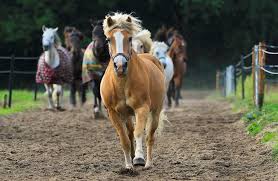
Horses have captured the hearts of humans for thousands of years. Their strength, beauty, intelligence, and loyalty make them one of the most admired creatures on Earth. From wild mustangs galloping across open plains to elegant racehorses sprinting down tracks, horses symbolize freedom, power, and grace.
Thank you for reading this post, don't forget to subscribe!The bond between humans and horses is ancient and profound. These animals have played a crucial role in the development of civilization, used for transport, agriculture, sports, and companionship. Today, horses are cherished not only for their utility but also for their emotional connection with people around the world.
This article explores horses and their features in detail — covering their physical structure, breeds, behavior, diet, care, training, and importance in human culture. Whether you’re a horse enthusiast, a potential owner, or simply someone fascinated by these noble creatures, this comprehensive guide will help you understand what makes horses so extraordinary.

The Origin and Evolution of Horses
The history of the horse stretches back millions of years. The earliest known ancestor of the modern horse is Eohippus (also known as the “dawn horse”), which lived about 55 million years ago. This small, dog-sized animal had multiple toes and lived in forested environments.
Over millions of years, horses evolved through several stages — Mesohippus, Merychippus, Pliohippus — eventually developing into Equus, the genus that includes all modern horses, zebras, and donkeys.
The evolution of the horse reflects changes in its environment. As grasslands expanded, horses adapted with larger bodies, longer legs, and single-toed hooves to run faster across open plains. These adaptations made them efficient grazers and swift runners, traits that have defined their survival and relationship with humans.
The Domestication of Horses
Humans first domesticated horses around 4,000–3,500 BCE on the steppes of Central Asia, particularly near present-day Kazakhstan. The Botai culture is believed to be among the first to tame and ride horses.
Domestication changed the course of human history. Horses became vital for transportation, farming, warfare, and communication. They allowed ancient civilizations to expand, trade, and connect across continents.
In the modern world, horses continue to play a significant role in sports, therapy, and recreation, showing how the ancient bond between humans and horses still thrives today.
Why Do Dogs Bark late at Night ? in some particular area
How to Know If Your Shih Tzu Puppy Is Purebred: A Simple Guide for Dog Lovers
Physical Features of Horses
1. Body Structure
Horses are built for strength, speed, and endurance. Their bodies are streamlined and muscular, designed for swift movement. The average horse stands between 14 and 17 hands high (a “hand” equals 4 inches), and their weight ranges from 900 to 2,200 pounds, depending on the breed.
Key physical traits include:
- Long legs: Enable powerful strides and high speeds.
- Strong neck and chest: Support balance and respiration during running.
- Flexible spine: Helps absorb shock and allows fluid motion.
- Solid hooves: Made of keratin, they protect the feet and absorb impact.
2. Head and Eyes
A horse’s head is proportionate and elegant. Their large eyes are located on the sides of their head, giving them nearly 360-degree vision — ideal for detecting predators. Horses can see both near and far, and they have excellent night vision.
3. Ears and Hearing
Horses have highly sensitive ears that can rotate almost 180 degrees. They can pick up faint sounds and determine their exact direction. Ear position also reflects mood — forward ears show curiosity, pinned-back ears signal anger or discomfort.
4. Mane and Tail
The mane and tail serve both functional and aesthetic purposes. They protect against flies and cold weather while enhancing the horse’s beauty. In some breeds, such as the Friesian or Gypsy Vanner, the mane and tail are luxuriously long and flowing.
5. Skin and Coat
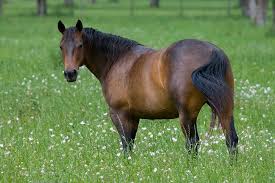
Horse coats come in various colors and patterns — bay, chestnut, black, gray, palomino, roan, and more. Their coat not only offers protection but also reflects their health and genetics. Regular grooming keeps it shiny and helps with blood circulation.
Horse Breeds and Their Characteristics
There are over 300 recognized horse breeds worldwide, each with unique features, temperaments, and uses. Below are some of the most notable types:
1. Arabian Horse
- Origin: Arabian Peninsula
- Known for: Endurance, intelligence, and distinctive head shape
- Uses: Long-distance riding, show competitions
- Traits: Spirited but loyal, excellent stamina
2. Thoroughbred
- Origin: England
- Known for: Speed, athleticism
- Uses: Horse racing, eventing, jumping
- Traits: High-energy, sensitive, strong-willed
3. Quarter Horse
- Origin: United States
- Known for: Quick bursts of speed over short distances
- Uses: Rodeo, ranch work, western riding
- Traits: Calm, intelligent, very muscular
4. Clydesdale
- Origin: Scotland
- Known for: Strength, large size, and feathered legs
- Uses: Draft work, parades, shows
- Traits: Gentle giants, very docile
5. Mustang
- Origin: North America (descendants of Spanish horses)
- Known for: Hardiness, independence, and resilience
- Uses: Trail riding, endurance, ranch work
- Traits: Tough, adaptive, intelligent
6. Appaloosa
- Origin: United States (Nez Perce tribe)
- Known for: Spotted coat pattern
- Uses: Riding, showing, and ranch work
- Traits: Friendly, versatile, sure-footed
Each breed offers unique features suited for different purposes, from racing and show jumping to heavy labor or companionship.
The Behavior and Intelligence of Horses
Horses are highly intelligent and emotionally aware animals. Their behavior reflects instincts developed over millennia of survival in the wild.
1. Social Structure
Horses are herd animals. In the wild, they live in groups led by a dominant mare and protected by a stallion. This social nature makes them cooperative and responsive when trained.
2. Communication
Horses communicate through:
- Body language: Ear position, tail movement, and posture convey emotions.
- Vocal sounds: Whinnies, neighs, and snorts express excitement, fear, or contentment.
- Scent and touch: They recognize each other and humans through smell and gentle nudges.
3. Learning and Memory
Horses have excellent memories and can remember people, places, and experiences for years. They respond well to consistent, positive reinforcement. Because of this, many horses can learn complex tasks and routines with patience and care.
4. Emotions
Horses can experience fear, joy, affection, and anxiety. They form strong emotional bonds with humans, often mirroring their owner’s moods — a quality that makes them suitable for equine therapy.
Diet and Nutrition of Horses
Horses are herbivores with a digestive system adapted for grazing. In the wild, they spend up to 16 hours a day eating grass and plants.
1. Primary Diet
- Grass: The most natural food source for horses.
- Hay: Dried grass, especially important when pasture is unavailable.
- Grains: Oats, barley, and corn provide extra energy but must be balanced.
- Supplements: Vitamins, minerals, and salt licks ensure nutritional balance.
2. Water Intake
A horse drinks 5 to 10 gallons of water daily. Clean, fresh water is essential for digestion, cooling, and overall health.
3. Feeding Schedule
Horses thrive on regular feeding times. Irregular schedules can cause digestive issues like colic or ulcers. Grazing throughout the day keeps their system healthy and stress-free.
Reproduction and Lifespan of Horses
1. Breeding
Female horses, known as mares, usually breed once a year. The gestation period is around 11 months, and most mares give birth to one foal at a time.
2. Foals
Newborn horses, or foals, can stand and walk within hours of birth. They begin to graze at a few weeks old but nurse for several months.
3. Lifespan
On average, horses live 25 to 30 years, though some reach 40 or more with proper care. Ponies often live longer than large breeds due to their hardy nature.
Horses in Human History and Culture
Throughout history, horses have been vital to human development. They revolutionized transportation, warfare, and agriculture, helping societies expand and thrive.
1. Ancient Civilizations
Egyptians, Greeks, Persians, and Romans used horses for chariots and cavalry, changing the course of battles and empire-building.
2. Symbolism and Mythology
Horses appear in mythology and art worldwide — from Pegasus, the winged horse of Greek legend, to Sleipnir, Odin’s eight-legged steed in Norse mythology. They symbolize freedom, strength, and nobility.
3. Modern Era
Today, horses remain icons of tradition and prestige. They feature in ceremonies, festivals, movies, and literature, representing human connection to nature and courage.
Modern Uses of Horses
Despite technological advancements, horses are still widely used for various purposes.
1. Sports
Horse sports are among the most popular animal-related activities globally. Common disciplines include:
- Racing: Thoroughbred and harness racing.
- Equestrian sports: Show jumping, dressage, and eventing.
- Western events: Rodeo, barrel racing, and cutting.
2. Work
In rural areas, horses still assist with farming, logging, and transport. Their power and endurance make them invaluable in places where machines can’t operate efficiently.
3. Recreation and Companionship
Many people keep horses for riding, leisure, and companionship. Trail riding and horse camping are popular hobbies worldwide.
4. Therapeutic Roles
Equine-assisted therapy helps people with emotional, physical, and developmental challenges. Interaction with horses promotes calmness, confidence, and emotional healing.
Care and Grooming of Horses
Proper care ensures a horse’s well-being and longevity.
1. Shelter
Horses need clean, dry stables or access to safe pastures. Shelter protects them from harsh weather, while open space supports physical and mental health.
2. Grooming
Regular grooming maintains coat health and strengthens bonds. Key grooming tools include:
- Curry comb (to loosen dirt)
- Body brush (for shine)
- Mane comb (for detangling)
- Hoof pick (for cleaning hooves)
3. Health and Veterinary Care
Routine veterinary visits and vaccinations are vital. Common health concerns include:
- Laminitis (hoof inflammation)
- Colic (digestive pain)
- Dental problems
- Parasites
4. Exercise and Training
Horses need regular exercise to stay fit and prevent boredom. Training should be based on trust, patience, and consistency.
Training and Bonding with Horses
Training a horse requires understanding, respect, and clear communication.
1. Basic Training
Groundwork is essential — teaching the horse to lead, stop, and follow commands. Gentle techniques help build confidence.
2. Riding Training
Once basic handling is mastered, riding lessons focus on posture, balance, and communication through reins, legs, and body movement.
3. Natural Horsemanship
This modern approach emphasizes partnership rather than dominance. It uses body language and empathy to create trust.
4. Bond Building
Horses respond best to calm, consistent interaction. Spending time grooming, talking, or walking with your horse strengthens mutual understanding.
Fun and Interesting Facts About Horses
- Horses can sleep both standing and lying down.
- They have the largest eyes of any land mammal.
- A horse’s heart weighs around 9 to 12 pounds.
- They can run within hours of birth.
- Each horse’s whinny is unique, much like a human voice.
- The fastest recorded horse sprinted at 55 mph (88 km/h).
- Horses cannot vomit due to their one-way digestive valve.
- There are more than 60 million horses in the world today.
Horses and Human Emotion: A Timeless Connection
Humans and horses share a bond built on trust, respect, and empathy. Horses can sense human emotions, often mirroring feelings of calmness or anxiety. This emotional intelligence has made them invaluable in therapy and healing programs.
Studies show that spending time with horses can reduce stress, lower blood pressure, and improve overall well-being. Riders often describe the experience as spiritual, feeling connected not just to the animal but to nature itself.
Conservation and Welfare of Horses
While many horses live comfortable lives, millions still face neglect or abuse. Organizations around the world are working to protect wild horses, rescue abused animals, and promote ethical treatment.
1. Wild Horse Protection
Groups like the American Wild Horse Campaign fight to preserve mustang herds and ensure humane management practices.
2. Equine Rescue Centers
Rescue centers provide shelter and rehabilitation for neglected horses, giving them new lives with caring owners.
3. Responsible Ownership
Owning a horse is a long-term commitment. Prospective owners must understand the cost, time, and emotional investment required to ensure the horse’s well-being.
The Future of Horses in the Modern World
As technology advances, the role of horses continues to evolve. While no longer essential for transportation or farming, their emotional, cultural, and recreational value remains irreplaceable.
Equine-assisted programs, eco-tourism, and sustainable horse breeding practices are expanding worldwide. The future of horses lies not in labor, but in connection, care, and companionship.
Conclusion
Horses are more than just animals — they are symbols of power, grace, and freedom. Their history with humans is one of partnership, respect, and evolution. From ancient chariots to modern show rings, horses have carried humanity through every era with dignity and strength.
Understanding their features, behavior, and care deepens our appreciation for these magnificent creatures. Whether galloping across open fields or quietly grazing under the sun, horses remind us of the beauty of nature and the timeless bond between species.
As we look to the future, our responsibility is to cherish, protect, and respect these noble animals — ensuring that their spirit of freedom continues to inspire generations to come.