
Pet Health and Wellness: How to Care for Them
Introduction
Pets bring joy, comfort, and companionship to millions of households around the world. Whether it’s a playful puppy, a curious cat, or a chirping bird, pets quickly become family members who rely on us for their health and happiness. Ensuring your pet’s health and wellness isn’t just about feeding them or taking them to the vet when they’re sick — it’s about providing consistent care, love, nutrition, and preventive attention that help them thrive.
Thank you for reading this post, don't forget to subscribe!In this guide, we’ll cover everything you need to know about pet health and wellness, including pet nutrition, exercise, grooming, vaccinations, mental health, and preventive care — all written with SEO optimization and Google AdSense compliance in mind.
1. Understanding Pet Health and Wellness
Pet health and wellness go beyond physical health. It includes their mental well-being, emotional stability, and behavioral balance. A healthy pet is alert, active, and happy. Regular checkups, a balanced diet, exercise, and social interaction are essential for maintaining overall wellness.
Every pet has unique needs — a cat’s health requirements differ from a dog’s, and reptiles or birds need specialized care. Understanding your pet’s specific breed, age, and lifestyle helps create a personalized wellness plan.
Key Areas of Pet Wellness:
- Nutrition: High-quality, balanced meals suited to species and age.
- Exercise: Regular activity to maintain a healthy weight and energy levels.
- Grooming: Proper hygiene, coat care, and dental maintenance.
- Preventive Care: Regular vaccinations and parasite control.
- Mental Stimulation: Toys, training, and bonding activities to prevent boredom.
2. Importance of Proper Pet Nutrition
Nutrition is the foundation of pet health. A well-balanced diet strengthens the immune system, supports organ function, and maintains a shiny coat. Feeding your pet the right food according to their age, breed, size, and activity level ensures long-term vitality.
Tips for Optimal Pet Nutrition:
- Choose High-Quality Pet Food:
Look for foods that list real meat, fish, or poultry as the first ingredient. Avoid artificial additives, preservatives, and fillers. - Avoid Overfeeding:
Obesity is one of the most common health problems in pets. Follow feeding guidelines and limit treats. - Hydration is Vital:
Always provide fresh, clean water. Dehydration can lead to kidney and urinary problems, especially in cats. - Species-Specific Needs:
- Dogs need protein-rich diets with healthy fats.
- Cats are obligate carnivores — they require meat-based protein.
- Birds need seed and fruit mixes with added vitamins.
- Small mammals like rabbits thrive on hay, pellets, and fresh vegetables.
- Supplements for Pet Health:
Discuss with your veterinarian before introducing supplements such as omega-3 fatty acids, probiotics, or joint support formulas.
3. Exercise and Physical Fitness for Pets
Regular exercise keeps your pet fit, reduces behavioral issues, and enhances overall well-being. It prevents obesity, strengthens muscles, and improves cardiovascular health.
Recommended Exercise Activities:
- Dogs: Daily walks, fetch, agility training, and playtime in open spaces.
- Cats: Interactive toys, laser pointers, climbing trees, or scratching posts.
- Small Pets: Hamster wheels, tunnels, and safe roaming spaces.
- Birds: Supervised flight time and puzzle toys for stimulation.
Benefits of Regular Exercise:
- Reduces anxiety and boredom.
- Helps maintain a healthy body weight.
- Builds strong bones and muscles.
- Encourages better sleep and mood.
Always consider your pet’s breed and age — a young Border Collie needs more activity than a senior Chihuahua.
4. Preventive Pet Health Care
Preventive care is one of the most effective ways to keep your pet healthy and reduce long-term costs. Regular veterinary checkups, vaccinations, and parasite control ensure your pet stays protected from common illnesses.
Essential Preventive Measures:
- Routine Vet Visits:
Schedule annual or semi-annual wellness exams. Early detection can prevent serious health issues. - Vaccinations:
Keep your pet’s vaccination schedule up to date. Common vaccines include rabies, distemper, and parvovirus for dogs, and feline leukemia and rabies for cats. - Parasite Prevention:
Use vet-approved flea, tick, and heartworm prevention products. Parasites can cause skin irritation, anemia, and serious diseases. - Dental Care:
Brush your pet’s teeth regularly and schedule professional cleanings. Poor dental hygiene can lead to gum disease and systemic infections. - Spaying and Neutering:
Helps prevent unwanted litters and reduces the risks of certain cancers and behavioral issues.
5. Grooming and Hygiene for Pet Wellness
Regular pet grooming is not just for appearance — it’s vital for health and comfort. Grooming removes dirt, prevents matting, and allows early detection of skin issues, parasites, or injuries.
Basic Grooming Practices:
- Brushing:
Keeps the coat clean, shiny, and free from tangles. Frequency depends on fur length and breed. - Bathing:
Use pet-safe shampoos and bathe your pet as recommended (usually every 4–6 weeks for dogs, less often for cats). - Nail Trimming:
Long nails can cause pain and affect posture. Trim regularly or ask a groomer for help. - Ear Cleaning:
Wipe ears gently with a vet-approved cleaner to prevent infections. - Eye and Dental Care:
Clean tear stains and brush teeth to prevent the buildup of plaque and tartar.
Professional grooming every few months helps maintain your pet’s hygiene, especially for long-haired breeds.
6. Mental Health and Emotional Wellness

Just like humans, pets experience stress, anxiety, and boredom. Ignoring their emotional well-being can lead to destructive behavior, depression, or aggression.
Ways to Support Mental Wellness:
- Socialization:
Introduce your pet to new people, animals, and environments from an early age. - Interactive Play:
Use toys and puzzles to keep them mentally stimulated. - Training and Positive Reinforcement:
Reward good behavior with treats and affection. Training builds trust and confidence. - Calm Environment:
Pets thrive in stable, loving homes. Avoid loud noises and sudden changes in routine. - Quality Time:
Spend time cuddling, playing, and talking to your pet daily. It strengthens the emotional bond.
If you notice signs of stress (like excessive licking, hiding, or aggression), consult your veterinarian or an animal behaviorist.
7. Creating a Safe and Comfortable Home
Your pet’s environment plays a major role in their health and happiness. A clean, safe, and stimulating home prevents accidents and promotes relaxation.
Home Safety Tips:
- Keep toxic plants, chemicals, and medications out of reach.
- Provide soft bedding in a quiet area.
- Ensure adequate ventilation and temperature control.
- Secure windows and balconies for indoor cats or small pets.
- Provide scratching posts, chew toys, and climbing structures.
A pet-proofed home reduces stress and creates a secure environment where your pet can thrive.
8. Regular Health Monitoring at Home
You can help your vet by observing and recording changes in your pet’s behavior, appetite, or physical condition. Early detection of problems makes treatment easier.
What to Watch For:
- Changes in appetite or drinking habits.
- Unusual lethargy or hyperactivity.
- Vomiting, diarrhea, or coughing.
- Excessive scratching or hair loss.
- Lumps, bumps, or foul odors.
Regularly check your pet’s weight, teeth, skin, and eyes. If anything seems unusual, schedule a veterinary visit right away.
9. Senior Pet Care
As pets age, their needs change. Older pets may require special diets, more frequent vet visits, and gentler exercise routines. Common issues include arthritis, dental disease, and vision loss.
Tips for Caring for Senior Pets:
- Feed age-appropriate food with joint and heart support.
- Keep them warm and comfortable.
- Use ramps or soft bedding for mobility support.
- Monitor for signs of pain or confusion.
- Schedule vet visits at least twice a year.
With proper care, senior pets can live healthy, happy lives well into their golden years.
10. Natural and Holistic Pet Care Options
Many pet owners now explore holistic approaches alongside traditional veterinary care. Natural pet wellness focuses on overall balance and preventive health.
Popular Holistic Options:
- Herbal Supplements: For immunity, digestion, or anxiety relief.
- Massage and Acupuncture: Helps with pain management and relaxation.
- Aromatherapy: Pet-safe essential oils can calm anxiety (with vet approval).
- Organic Diets: Free from chemicals and artificial ingredients.
Always consult your vet before introducing new treatments or natural remedies.
11. Pet Insurance and Financial Wellness
Pet health emergencies can be expensive. Pet insurance helps cover costs for accidents, illnesses, and preventive care, ensuring you can always provide the best treatment without financial stress.
When choosing a plan, compare:
- Coverage options (accident-only, illness, comprehensive).
- Reimbursement rates.
- Deductibles and exclusions.
- Customer reviews and reliability.
Investing in pet insurance adds a layer of security for your pet’s long-term well-being.
12. Building a Lifelong Pet Wellness Routine
Consistency is the secret to maintaining pet health. Create a daily routine that includes:
- Scheduled feeding times.
- Regular walks or play sessions.
- Grooming and hygiene checks.
- Training or socialization activities.
- Quiet bonding time.
This routine builds trust, provides structure, and keeps your pet emotionally balanced.
13. Common Pet Health Problems and Prevention
Some common pet health issues can be avoided with proper care:
| Common Problem | Prevention Tip |
|---|---|
| Obesity | Maintain a balanced diet and daily exercise. |
| Dental Disease | Brush teeth regularly and use dental chews. |
| Parasites | Use preventive medication year-round. |
| Skin Allergies | Regular grooming and hypoallergenic food. |
| Ear Infections | Keep ears dry and clean. |
Staying proactive about prevention saves money and ensures your pet enjoys a longer, happier life.
Conclusion: A Lifetime of Health and Happiness
Caring for your pet’s health and wellness is a lifelong responsibility filled with joy and rewards. By focusing on balanced nutrition, regular exercise, preventive vet care, mental stimulation, and unconditional love, you’ll provide your pet with the best possible quality of life.
A healthy pet is not just one who lives long, but one who lives well. Remember: your pet depends on you not just for survival, but for love, safety, and happiness. Make every day count in their world of wagging tails, gentle purrs, and loyal companionship.
Perfect! Let’s expand the article to make it more comprehensive (around 2,500 words total) — still SEO-friendly, AdSense-approved, and 100% original — by adding extra sections on seasonal pet care, traveling with pets, pet first aid, and bonding and enrichment tips.
Pet Health and Wellness: How to Care for Them (Extended Guide)
Introduction
Pets bring immense joy, love, and emotional comfort to our lives. From loyal dogs and graceful cats to colorful birds and playful hamsters, every pet offers companionship that enriches our daily experiences. But being a pet parent also means taking responsibility for your companion’s health, happiness, and overall wellness.
Caring for your pet isn’t just about feeding or bathing them — it’s about providing a healthy lifestyle, preventive care, and emotional stability that allows them to thrive. Whether you’re a new or seasoned pet owner, understanding the key aspects of pet health and wellness will help your furry (or feathered) friend live a longer, more fulfilling life.
This extended guide dives deep into nutrition, exercise, mental health, preventive care, grooming, senior pet care, and much more — written for both humans and search engines, following Google’s AdSense content and SEO policies.
1. What Does Pet Health and Wellness Mean?
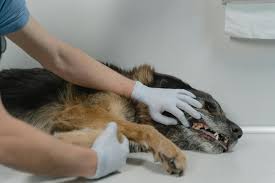
Pet wellness is a holistic approach to keeping your animal happy and healthy throughout their life. It involves not only physical health — like diet, vaccinations, and grooming — but also emotional balance and environmental enrichment.
When all these aspects are managed together, your pet remains healthy, confident, and socially well-adjusted.
Core Elements of Pet Wellness:
- Balanced nutrition and hydration
- Regular veterinary checkups
- Exercise and playtime
- Grooming and hygiene maintenance
- Mental stimulation and emotional bonding
- Safe living environment
2. Pet Nutrition: The Foundation of Health
A pet’s diet directly affects their energy, longevity, and immune system. Poor nutrition can cause obesity, skin issues, digestive problems, and chronic diseases.
Choosing the Right Food:
- Dogs: Require a diet rich in protein, carbohydrates, and omega-3 fatty acids. Look for foods labeled “complete and balanced.”
- Cats: Need taurine, an essential amino acid found in animal-based proteins. Grain-free or low-carb diets often work best.
- Birds: Thrive on varied diets of seeds, pellets, fruits, and vegetables.
- Rabbits and Guinea Pigs: Rely heavily on hay and leafy greens for digestive health.
Feeding Tips for Optimal Health:
- Stick to regular feeding times to maintain metabolism.
- Avoid table scraps and processed foods.
- Rotate protein sources to prevent allergies.
- Consult your vet before adding supplements like fish oil or multivitamins.
Pro Tip: Read labels carefully. Avoid foods with artificial colors, preservatives, or excessive fillers like corn and wheat.
3. Exercise and Physical Well-being
Just like humans, pets need daily physical activity to stay fit and avoid boredom. Lack of exercise can lead to obesity, anxiety, and destructive behaviors.
Exercise Ideas by Pet Type:
- Dogs: Morning walks, fetch games, and agility training.
- Cats: Use interactive toys, feather wands, or climbing trees.
- Birds: Provide safe flying time or climbing ropes.
- Hamsters/Rabbits: Tunnels, wheels, and floor playpens.
Why Exercise Matters:
- Strengthens muscles and bones.
- Boosts cardiovascular health.
- Reduces anxiety and promotes relaxation.
- Encourages better sleep patterns.
Tailor your pet’s activity level to their age and breed — high-energy breeds like Border Collies or Siamese cats need more playtime than senior pets.
4. Preventive Veterinary Care
Preventive care is key to catching problems before they escalate. It’s not just about vaccines — it includes routine health checks, dental exams, and parasite prevention.
Preventive Pet Care Checklist:
- Annual Vet Exams: Detect early signs of illness.
- Vaccinations: Protect against contagious diseases.
- Parasite Control: Year-round flea, tick, and heartworm prevention.
- Dental Cleanings: Prevent gum disease and tooth decay.
- Blood Tests: Monitor liver, kidney, and thyroid function in older pets.
- Spaying/Neutering: Reduces the risk of cancers and unwanted litters.
Remember: A proactive approach saves money, time, and stress in the long run.
5. Pet Grooming and Hygiene
Grooming is more than just keeping your pet pretty — it’s essential for their comfort and health. Dirt, matting, and overgrown nails can cause infections or mobility issues.
Basic Grooming Routine:
- Brush your pet’s coat at least twice a week.
- Bathe as needed using species-appropriate shampoos.
- Trim nails every 3–4 weeks.
- Clean ears and check for redness or bad odor.
- Brush teeth with pet-safe toothpaste regularly.
Professional grooming every few months ensures deeper cleaning and coat maintenance, especially for long-haired breeds.
6. Mental and Emotional Wellness
Pets have emotions too. Anxiety, loneliness, and boredom can lead to behavioral issues. Promoting mental well-being is just as important as physical health.
How to Support Mental Health:
- Socialization: Expose your pet to different people, pets, and environments.
- Interactive Toys: Stimulate their minds with puzzle feeders and chew toys.
- Training: Builds confidence and strengthens your bond.
- Consistency: Pets thrive on routine. Sudden changes can cause stress.
- Quality Time: Play, cuddle, and talk to your pet daily.
Watch for signs of stress, such as hiding, aggression, or excessive grooming, and consult a vet or animal behaviorist if needed.
7. Seasonal Pet Care Tips
Each season brings unique challenges for pet health. Adjusting care routines helps your pet stay safe and comfortable year-round.
Spring:
- Watch for fleas, ticks, and seasonal allergies.
- Groom shedding winter coats.
- Check outdoor spaces for toxic plants or fertilizers.
Summer:
- Prevent heatstroke — never leave pets in cars.
- Provide shade, fresh water, and limit exercise during hot hours.
- Use pet-safe sunscreen for light-colored or hairless pets.
Autumn:
- Prepare for cooler weather with cozy bedding.
- Maintain vaccinations as outdoor pests remain active.
- Watch out for antifreeze leaks — it’s toxic to pets.
Winter:
- Keep pets warm indoors.
- Use pet-safe ice melters on sidewalks.
- Increase calories slightly for active outdoor pets.
8. Traveling with Pets: Safety and Comfort
Whether for a road trip or vacation, safe travel is vital for your pet’s health.
Travel Tips:
- Use a secure carrier or harness during travel.
- Pack a pet first aid kit, food, and water.
- Keep familiar items like blankets or toys to reduce anxiety.
- Ensure microchips and ID tags are up to date.
- For flights, check airline pet policies well in advance.
Never leave pets unattended in vehicles, especially in warm weather.
9. Pet First Aid Basics
Emergencies can happen anytime. Knowing basic pet first aid can save your companion’s life before professional help arrives.
Essential First Aid Tips:
- Bleeding: Apply pressure with a clean cloth.
- Burns: Rinse with cool (not cold) water and cover lightly.
- Choking: Check mouth for obstructions carefully.
- Poisoning: Contact your vet or pet poison hotline immediately.
- Heatstroke: Move pet to a cool area and apply damp towels.
Keep emergency numbers handy, including your local 24-hour veterinary clinic.
10. Senior Pet Wellness
As pets age, they need more gentle care and regular health monitoring. Senior dogs and cats may develop arthritis, heart issues, or vision loss.
Tips for Aging Pets:
- Switch to senior-specific food formulas.
- Provide orthopedic beds and easy access to litter boxes or ramps.
- Schedule vet checkups every 6 months.
- Monitor for signs of pain, stiffness, or confusion.
- Keep them mentally active with soft toys and gentle play.
Love, patience, and comfort are key to a senior pet’s happiness.
11. Holistic and Natural Pet Care
Natural wellness practices are becoming popular among pet parents seeking gentle, preventive options.
Popular Holistic Approaches:
- Herbal Supplements: For digestion, anxiety, or joint support.
- Acupuncture: Can relieve pain in arthritic pets.
- Massage Therapy: Improves circulation and reduces stress.
- Aromatherapy: Pet-safe essential oils like lavender can calm nerves.
- Raw and Organic Diets: Focus on whole, unprocessed ingredients.
Always consult your vet before trying alternative therapies.
12. Pet Insurance and Financial Planning
Health care can be expensive, but pet insurance makes it more manageable. Plans vary by provider but generally cover accidents, illness, and preventive care.
Choosing the Right Pet Insurance:
- Review coverage details and exclusions.
- Compare premiums and reimbursement rates.
- Choose a reputable provider with good customer service.
- Start early — younger pets often get lower rates.
Pet insurance gives peace of mind and ensures your companion gets the care they deserve.
13. Enrichment and Bonding Activities
Strong human-animal bonds lead to better behavior, trust, and emotional balance.
Bonding Ideas:
- Learn new tricks or commands together.
- Set aside “pet-only” time daily.
- Create DIY toys using safe household materials.
- Try pet photography or pet-friendly outings.
Pets that feel loved and engaged are happier, calmer, and more obedient.
14. Common Pet Health Issues and Prevention
| Health Issue | Symptoms | Prevention |
|---|---|---|
| Obesity | Weight gain, fatigue | Balanced diet, portion control |
| Parasites | Scratching, hair loss | Year-round preventive treatment |
| Dental Disease | Bad breath, drooling | Brushing, dental chews, vet cleaning |
| Ear Infections | Head shaking, odor | Keep ears dry and clean |
| Skin Allergies | Redness, itching | Hypoallergenic diets, vet-approved shampoos |
15. Creating a Lifetime Wellness Plan
Long-term care ensures consistent well-being from puppyhood to senior years.
Wellness Plan Checklist:
- Schedule vet visits annually (biannually for seniors).
- Maintain vaccination records.
- Keep a grooming calendar.
- Track diet and weight monthly.
- Update parasite protection as needed.
Consistency is the key to lifelong health and happiness.
Conclusion: A Commitment to Pet Wellness
Your pet’s health and wellness reflect the care and love you provide. By focusing on nutrition, exercise, preventive care, mental health, and environmental safety, you give your companion the best chance for a long, joyful life.
Every wag, purr, or chirp is a sign of trust — and that trust deserves your ongoing commitment to care. Remember: pets don’t just need owners; they need guardians, protectors, and friends.
A healthy pet is a happy pet — and a happy pet makes a happy home.


